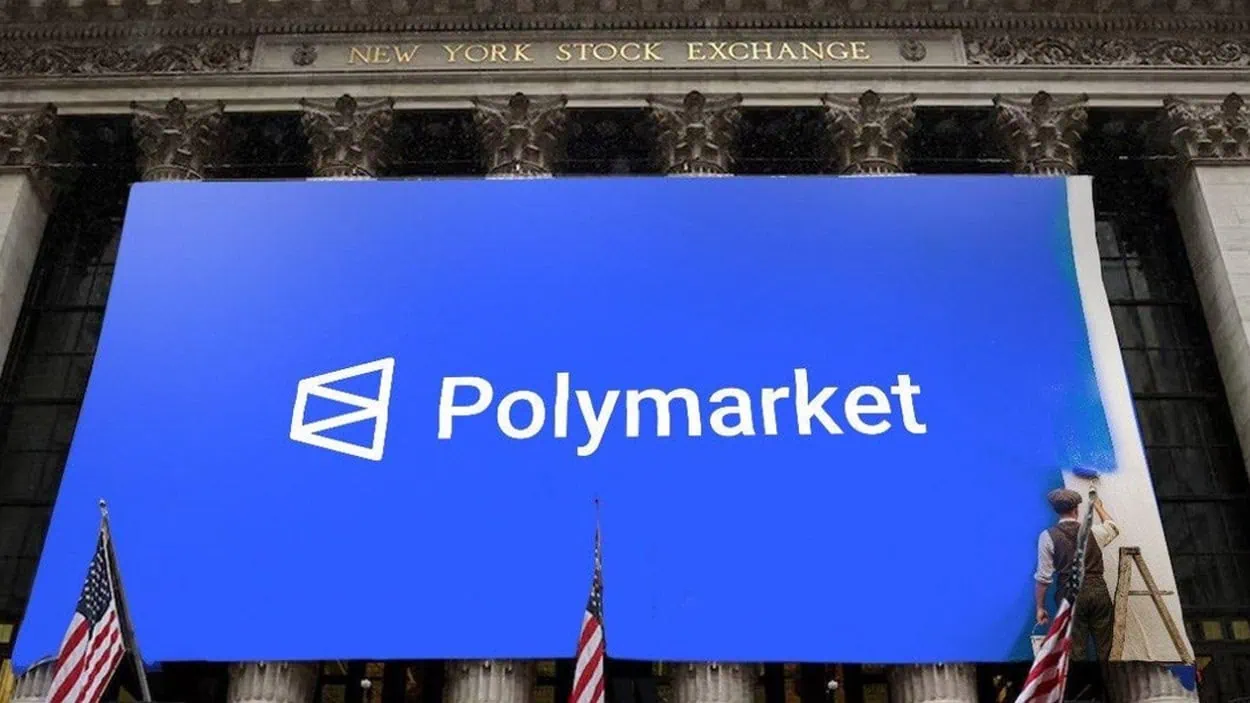






Prediction trading app Polymarket recently launched the beta rollout of its US-specific mobile app, and it’s already attracted over a million people to the waitlist. Those people join the tens of thousands who have joined the platform so far in 2026. So what’s going on?
Quick Summary – TLDR
- Prediction markets are a growing multi-billion-dollar business, specifically in the US
- Being able to legally put money on predicting sports is a key appeal
- Polymarket is less sports-focused than its competitors, but has high retention across many markets
- Clever strategies position them as financial markets and “truth engines” – not gambling
Why Polymarket Is Growing So Quickly
The astonishing rise of prediction markets has intensified again this week, as major competitor Polymarket debuted the beta rollout of its US-focused iOS app. Tens of thousands more people have joined the platform in recent weeks, as it recently surpassed a monthly trading volume of $25 billion.
Prediction Markets Combine Trading and Real World Events
You might think prediction markets are a very new thing. Certainly, they have only exploded into the public consciousness in the past couple of years. But they have actually been around for a lot longer.
Early modern prediction markets gained traction through political forecasting and academic research before expanding into broader commercial platforms.
That’s because their simple yes/no formula creates a gambling-like loop, but with the buy/sell and market movement aspects of financial trading.
Customers buy or sell shares on the yes or no outcome of a question, with prices between 0.01% and 100% based on what the market has chosen. Then those holding the correct answer when it is settled get paid out for their shares. Those holding the incorrect answer get nothing.
This model took off during the 2024 US Presidential Election, but it really kicked into another gear when operators like Polymarket and Kalshi realised the potential for trading on sports.
US law doesn’t see it as gambling. But in the same way bettors use expert comparison sites to find sportsbooks, prediction traders use them to find a Polymarket promo code or other features like payout speeds and the exact kind of markets on offer.
Kalshi even advertised itself as sports betting in all 50 states – but it has since backed down on that avenue slightly. Polymarket has been less overt in that regard, but it still offers sports contracts front and center. Especially on NFL game day weekends and other big sporting events,
It’s Not Sports Betting, But You Can Predict Sports for Money
This shift was when prediction markets went from a multimillion-dollar emerging sector to massive multibillion-dollar businesses that everyone has been talking about.
Being able to offer contracts where people can put money down on sports, without it being classified as sports betting under US law, is important. It means they can offer it in services with no regulated competitors, and they don’t have to deal with extra sports betting taxes and regulations in states that do so.
Polymarket is slightly less focused on sports than its current main competitor, Kalshi. Around 50% of revenues at Polymarket, currently about $1 million a day, come from sports contracts or markets.
At Kalshi, that stands at around 80% of US revenues from sports contracts, according to some research.
Polymarket is more focused on offering a broad range of markets across geopolitics, finance, culture, and other global events. Nevertheless, the appeal of sports contracts remains a key growth driver.

Why Users Keep Choosing Polymarket
One reason users continue joining Polymarket is its broad market variety. Unlike many competitors that lean heavily into sports, Polymarket offers contracts tied to politics, economics, entertainment, and global news. This creates more reasons for users to return regularly.
The platform also benefits from a clean interface and strong social momentum. Markets update in real time, making the experience feel more interactive than traditional wagering or passive investing. For many users, prediction trading combines entertainment, speculation, and information tracking into a single experience.
That combination helps explain why user retention remains high. Once people begin trading on topics they already follow, they often continue exploring new categories rather than leaving after a single market.
The Truth Engine Narrative and Clever Positioning
Polymarket and competitors have set themselves up as prediction tools. People putting their money down, the theory goes, are often more honest than they are when answering polling questions.
Markets are also updated much faster than pollsters can complete and analyse questionnaires, allowing real-time opinion shifts to be demonstrated in the data. The classic “Wisdom of the Crowd” but using real-time modern financial technology to capture it.
Whether you believe that or not, or think the reality is probably more complex and nuanced, prediction markets have gone to great lengths to set themselves up as such in the public eye.
Data from Polymarket and Kalshi has been used during broadcasts of big-ticket events. Nominally, as a way of showing public sentiment and engaging viewers in guessing themselves, but this has also been massive exposure for their brands. While not being specifically advertised as gambling or even trading.
Why Growth is Happening Right Now – And What Could Derail It
Political betting was the catalyst for massive growth, but sports contracts and markets have sustained it.
Distrust of traditional media, especially among the younger and more online generations. Easy integration with crypto infrastructure. Social media virality – a “free” shop, anyone, and a conversation-driving business model. These have all contributed to Polymarket’s massive growth over the past few years.
More than $700 million was traded on the 2026 Super Bowl alone, and more than a million people signed up for its new iOS app rollout in just a couple of days. In Q1 2026, $10.1 billion was traded on sports, with around $6 billion traded on politics.
The platform has very high user retention, which often means it spreads by word of mouth. Polymarket says 75% of its users come back and buy into other markets after their initial visit.
Industry predictions peg the market at potentially reaching $1 trillion traded annually by the end of the decade, if growth continues.
But not all is sunshine and rainbows in the sector. There are ways that Polymarket could fall off. It is facing more competition (albeit belatedly) as the existing sports betting giants slowly get in on the prediction market game. And although the Commodity Futures Trading Commission is very supportive for now, many US states (and countries globally) are challenging the model in court. Especially when it comes to sports. Insider trading accusations, particularly on military or political contracts, are also an increasing concern.
However, those who are critical of the business (right or not) are increasingly back-scrabbling at this point. It increasingly looks likely that Polymarket and other prediction markets will continue to grow in popularity for the foreseeable future.