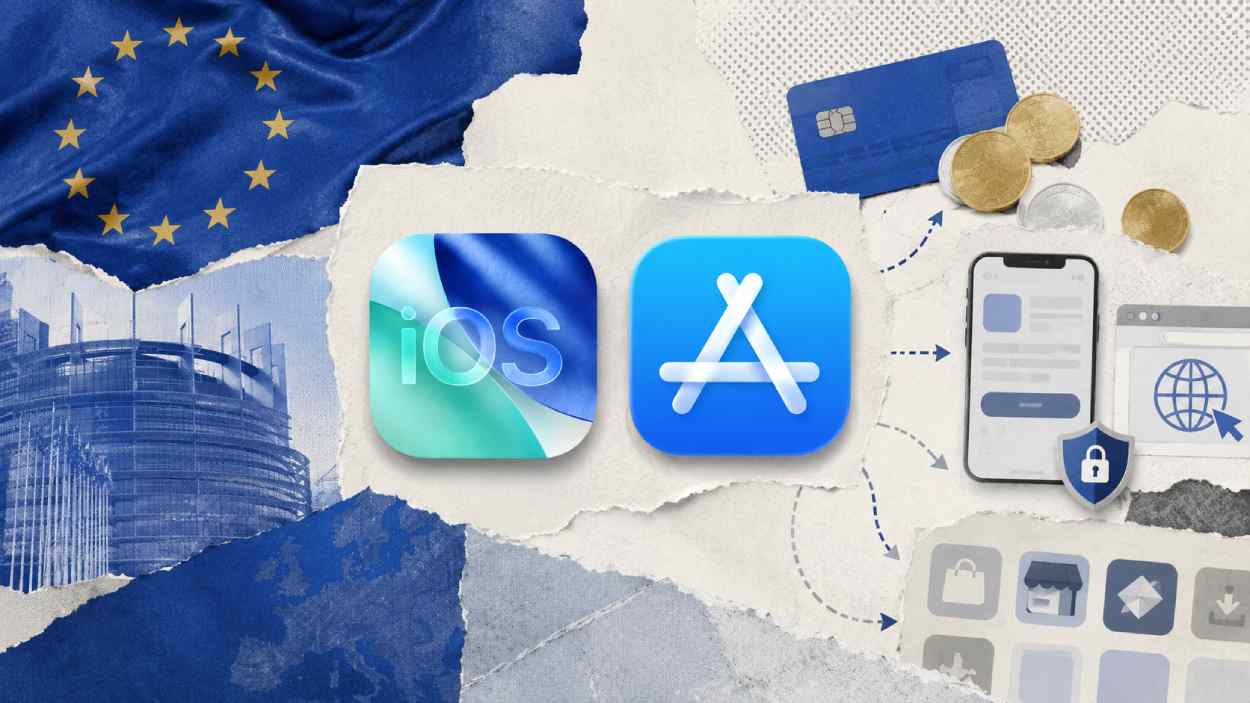






Apple began offering iPhone leases for $17.99 a month on Tuesday, launching a leasing partnership with buy now, pay later firm Klarna. The program, called Apple Upgrade, also covers Apple Watch, Mac and iPad and replaces the iPhone Upgrade Program the company just retired.
Quick Summary – TLDR:
- Apple Upgrade lets US customers lease an iPhone, Apple Watch, Mac or iPad through Klarna instead of buying outright.
- iPhone leases start at $17.99 a month for one or two-year terms, with no security deposit required.
- Apple retired the iPhone Upgrade Program, which cost more than $42 a month and bundled AppleCare into the price.
- Klarna owns the leased device for the full term and can end a lease after three months of missed payments.
- Existing iPhone Upgrade Program members must switch to Apple Upgrade, Apple Card installments, outright purchase or carrier financing.
Apple Retires Old iPhone Financing for a Klarna Lease
Apple opened its new Apple Upgrade program to US customers at its retail and online stores Tuesday, letting shoppers lease an iPhone, Apple Watch, Mac or iPad instead of buying outright. Apple said in its announcement that leases run one or two years for iPhone and Apple Watch, and two or three years for Mac and iPad. Monthly payments start at $17.99 for iPhone, $11.99 for Apple Watch and iPad, and $24.99 for Mac, with no security deposit.
Klarna, the buy now, pay later (BNPL) lender, owns each device for the full term. Applicants pass a soft credit check, face no late fees, and lose the lease after three months of missed payments. iPhone 16, iPhone 16 Plus, Apple Watch SE, MacBook Neo, Mac mini, iPad (A16) and Studio Display are excluded.
The launch replaces the iPhone Upgrade Program, the Citizens Bank-backed installment plan Apple introduced in 2015 that bundled AppleCare into payments of more than $42 a month. Apple confirmed the program and iPhone Payments are discontinued in the United States: “When eligible, customers currently enrolled in the iPhone Upgrade Program will have the option of leasing a new device with Apple Upgrade, financing with Apple Card Monthly Installments, purchasing the product outright, or choosing carrier financing,” Apple said in the press release.
Now official: Leasing prices start as low as $17.99 per month for iPhone, $11.99 for Apple Watch, $24.99 for Mac, and $11.99 for iPad. https://t.co/hciMVX4SCg
— Mark Gurman (@markgurman) July 28, 2026
Why Apple Is Leasing Instead of Selling?
Apple’s timing follows a run of component cost pressure. The company raised iPad and Mac starting prices by at least $100 in June, citing a global memory shortage, with some configurations up more than $1,000. Morgan Stanley analysts estimate Apple may need to raise the iPhone 18 Pro’s price by roughly $200 to protect its margin, and TechInsights, the semiconductor analysis firm, says higher component costs could add as much as $300 to an iPhone’s bill of materials.
Nabila Popal, senior research director at IDC, the technology research firm, tied that pressure to installment financing. Popal told CNBC after Apple signaled the price increases in June:
The iPhone still drives Apple’s business, generating around half of total revenue and holding a 32.3% share of the global smartphone market. Spreading a higher list price across two years of small payments keeps the headline number low as the device gets costlier to build.
The Trade-Off Behind the Lower Payment
Apple Upgrade’s starting price undercuts every financing option Apple has offered, including the old iPhone Upgrade Program’s $42-plus charge and the 0% APR Apple Card Monthly Installments plan, which still ties payments to the full purchase price. Carriers AT&T, Verizon and T-Mobile sell similar installment plans of their own.
Ownership is what separates a lease from those alternatives. A leased iPhone stays Klarna’s property throughout the term and requires an eligible postpaid carrier plan. Customers who want to keep the device pay a purchase fee at the end, or the lease converts to a costlier month-to-month arrangement for up to six months.
That trade-off mirrors a pattern SQ Magazine has tracked across subscription pricing generally. More than 61% of respondents in Deloitte’s 2026 Digital Media Trends survey said they would cancel a favorite service over a $5 monthly increase, a sensitivity subscription economy research has linked to shrinking tolerance for sticker shock.

What This Means for Upgrade Cycles?
The average iPhone replacement cycle has stretched to nearly four years, according to estimates from Bernstein, the Wall Street research firm. A lease that requires returning the phone after 12 or 24 months works against that trend by design. Apple Watch leasing follows the same logic in a category Apple already leads: Apple held 23% of global smartwatch shipments in 2025 and reclaimed category leadership, per smartwatch market data, citing Counterpoint Research.
Parts of the picture remain open: whether the iPhone 18 Pro carries the full $200 increase Morgan Stanley projects, and whether the foldable iPhone analysts expect alongside it in September ships on schedule at the roughly $2,500 price some estimates cite. Apple has confirmed neither. The launch also arrives two days before Apple’s third quarter earnings call, Tim Cook’s last as CEO before he becomes executive chairman.
SQ Magazine’s Takeaway
Apple Upgrade solves a specific problem: keeping a monthly payment low while the phone underneath it gets more expensive to build. Routing that math through a lease lets Apple hand the credit risk and used-device logistics to Klarna, the same split that pushed wireless carriers toward leasing years before Apple followed.
What comes next moves fast. Apple reports earnings Thursday, its first public comment window since the launch, and analysts are likely to press for detail on how leasing affects device revenue and iPhone 18 Pro pricing. Existing iPhone Upgrade Program customers should watch their account for Apple’s transition notice rather than assume their plan carries over, and anyone comparing the financing paths on offer should weigh a lease’s return-or-pay-more structure against a purchase they would actually own.