





According to recent productivity studies, workers using AI or automation tools report a 25% increase in task speed and a 40% improvement in the quality of their results. Similar changes are being observed in the app selection of everyday phone users, including plant apps. The old kind of plant identifier app that displays three pop-ups before you even point the camera at a leaf no longer meets user needs.
Houseplant enthusiasts are becoming increasingly discerning. They now want something easy, fast, and that doesn’t require constant attention. This shift in attitude is wreaking havoc on legacy apps and changing the direction of the market. Let’s explore the new wave of plant identification technology and why phone-centric design is no longer optional.
Plant Identification Apps Market Growth Driven by Smart Gardening Trends
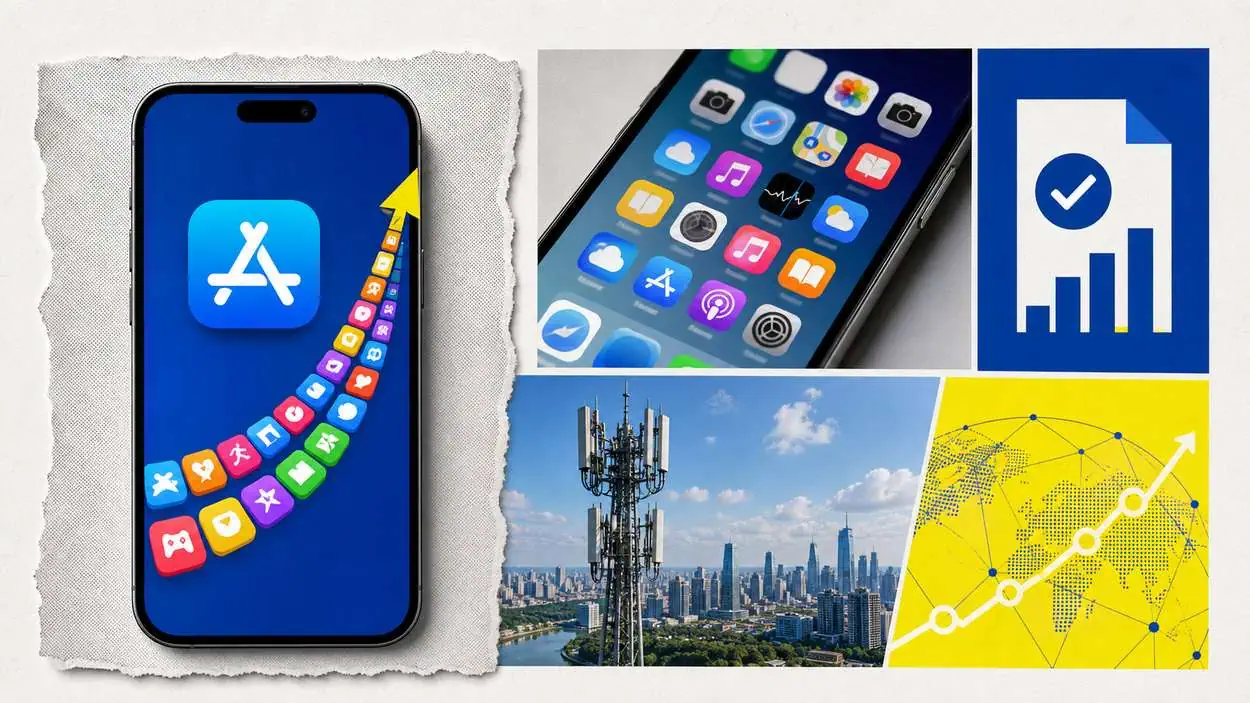
TheDataHorizon Research report predicts that the plant identification apps market will reach approximately USD 1.2 billion by 2033, growing at a 17.3% CAGR from 2025 onward. AI-powered tools already account for 68% of this market, indicating how consumers view the situation. Android accounts for 58% of the market, largely because it is the primary phone for a much larger portion of the world.
Several factors contribute to this. Houseplants haven’t disappeared after a surge in popularity during lockdown, as many predicted. Hobbyists alone account for 45% of total revenue, and North America accounts for 38% of the global market, partly thanks to schools incorporating plant apps into environmental education programs.
Subscriptions in the App Store and Google Play also give developers a constant incentive to continue working on AI, rather than releasing an app once and moving on to the next side project.

AI Plant Identifier Models Lead the Shift Toward Focused Mobile Networks
Most major AI plant identifier tools still send a request to a cloud server every time you scan a leaf. They also download several gigabytes of plant data upon installation. This significantly impacts the memory and, even more so, the battery life of your portable device. You scan five plants at a friend’s place, and your phone’s battery is at 40%.
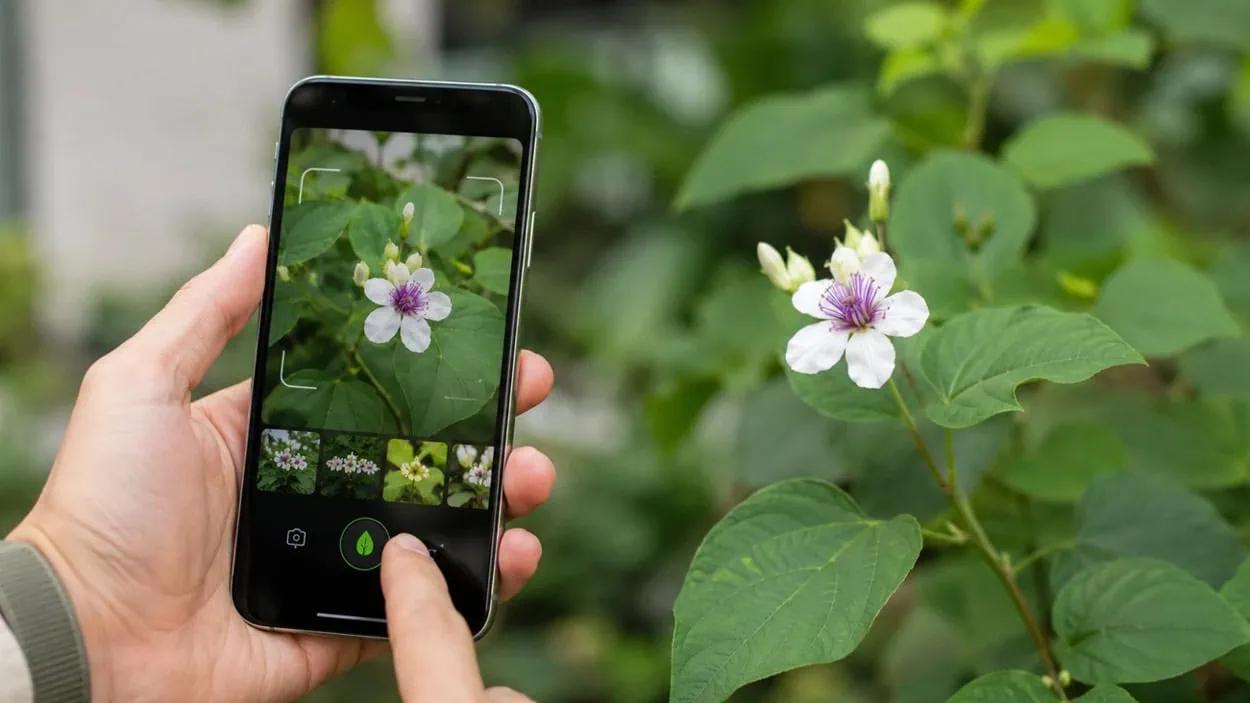
Newer versions reverse the situation. They use lightweight models built on native mobile frameworks, so the phone does most of the work itself. The Botan plant scanner works this way and offers multiple practical advantages:
- Recognition accuracy is approximately 98% without the use of cloud services;
- Scanning in less than a second directly from the camera shutter;
- No battery overheating, even after a long identification session;
- Small installation size, does not take up space on your phone’s memory;
- Works offline for common species, convenient for use in basement plant stores or gardens.
In short, this is an example build that proves that the scanner does not need an entire server farm to work effectively.

Best Plant Identification App Benchmarks Focus on Speed and Privacy
So why do people delete the older scanners? Two reasons, every single time. Ads stacked on ads and menus that look like they were designed in 2014. In 2026, a decent app to identify plants should be fast, accurate, and earn a place on the home screen. Privacy is also important. Nobody likes the idea of selling plant photos for targeted advertising.
For example, Botan App is one such plant identification app. It was created with these very requirements in mind. Here’s a brief overview of the 3 different approaches for plant recognition.
| Core Criteria | Bulky Legacy Databases | Curated User-Centric AI (Botan App) | Mobile Business & UX Value |
| Interface Design (UI) | Pop-up premium ads everywhere | Clean, minimal, ad-free | Cuts uninstall rates |
| Camera Response Latency | ~1.5 to 2.5 seconds | Under 0.8 seconds | Instant scan on the go |
| Device Storage Fingerprint | Heavy, bloated cache | Light, native OS compression | Leaves room for photos |
| Notification Value | Generic spam pushes | Adaptive watering alerts | Pings only when the soil needs it |
| Data Privacy Policy | Sells user photos for ads | GDPR and CCPA compliant | Builds trust in the store |
App to Identify Plants Engineering Shifts to Native Mobile Optimisation
Native optimisation is no longer just a buzzword; it’s the difference between plant ID apps that work well and ones that don’t. iOS and Android come with built-in GPUs. Apple has the Neural Engine. Google has Tensor Core. Developers who use them get results in a fraction of a second, the moment they press the shutter. Even a mid-range phone from 2022 can now perform on-device inference in less than a second.
The lazy approach of wrapping a Python model and releasing it no longer works. You feel lag. Your phone gets hot. People abandon apps and leave 2-star reviews. Apps that properly utilise Core ML or TensorFlow Lite run more smoothly and ultimately rise in the rankings.

Best Plant ID App Features: The Shift to Adaptive Mobile Care Workflows
So, what should the best plant ID app actually do once you’ve identified it? Good apps turn into care assistants. They learn your daily routine, your plant species, the season, and your room. Then they remind you when things need to be done. No sticky notes on the fridge, no half-finished Notion pages.
Here’s what the best plant ID apps typically include:
- Push notifications that trigger when the plant actually needs water, rather than a fixed weekly timer.
- Automatic diagnostics based on photos from your gallery, so leaf spots and yellowing are detected before things go wrong.
- Light measurement tools that use the camera to determine if a corner is too dim for a fiddle-leaf fig.
- Shareable care logs that are useful when two people have the same Monstera and both forget who last watered it.
- An offline mode that can still identify common types without using up mobile data.
It’s these features that encourage people to open the app once a week, rather than just once and forget about it.
Plant Recognition Technology Drives the Future of Consumer Green Tech
The phone has quietly become the primary connection between people and their plants. Plant recognition technology was once more of a party trick. Now it’s a core element of any app that wants to seriously call itself “green technology.”
The winning apps are those that respect the user’s time, keep photos private, and run without overheating the phone. The huge, bloated databases from a few years back are becoming obsolete. Simple, mobile apps with transparent pricing and no intrusive ads are gaining traction. The winner of 2026 will be the app that doesn’t complain about its battery life.