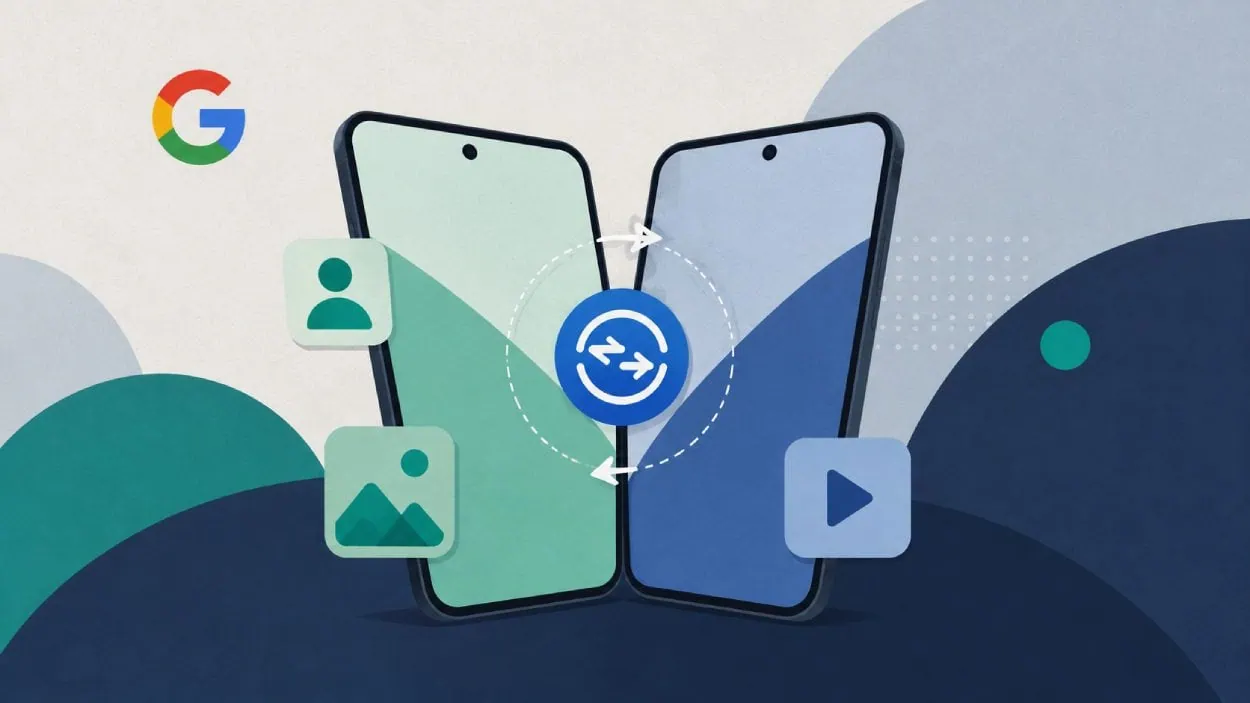






Google began rolling out a tap-to-share mode for Quick Share on August 12, 2026, letting two Android phones swap contacts, photos and videos when held together. The feature reaches Pixel 6 and newer devices first.
The Big Picture
- Google is rolling out a tap-to-share mode for Quick Share, starting with Pixel 6 and newer phones.
- Users bring two compatible Android devices close together from the home screen for a two-way contact exchange.
- Photos and videos move through the phone’s Share Sheet, after which the two devices are tapped together.
- Samsung’s Galaxy Z Fold8 Ultra, Fold8 and Flip8 get the feature soon, with more Android models due by year end.
- Apple shipped a comparable contact-tapping feature, NameDrop, in iOS 17, which Android is only now answering.
Google turns Quick Share into a tap gesture
Google announced the change on its company blog alongside the Pixel 11 launch, describing the result as an “instant, two-way exchange.” Eligible devices can now use Quick Share to send contact info, photos, videos “and more” by touching, the announcement said.
The gesture works two ways depending on the payload. From the home screen, bringing a compatible Android device near another triggers the contact swap with no app open. For a photo or a video, the sender opens the Share Sheet first, then taps the devices together.
The mechanism is proximity plus NFC, according to The Verge’s description of the rollout. Google’s own post never names the underlying radio, and it points users to its Help Center for the specifics of how the exchange behaves.
🤝 We’re updating Quick Share to enable sharing contact info, photos, & more between Pixel devices with just a tap!
— Mishaal Rahman (@MishaalRahman) August 12, 2026
This is rolling out today to Pixel 6 and newer devices & is coming soon to the Galaxy Z Fold8 Ultra, Fold8, and Flip8.
Learn more 👇https://t.co/0zJvGmwOH2 pic.twitter.com/bG6UhjjwZF
Which phones get it, and when?
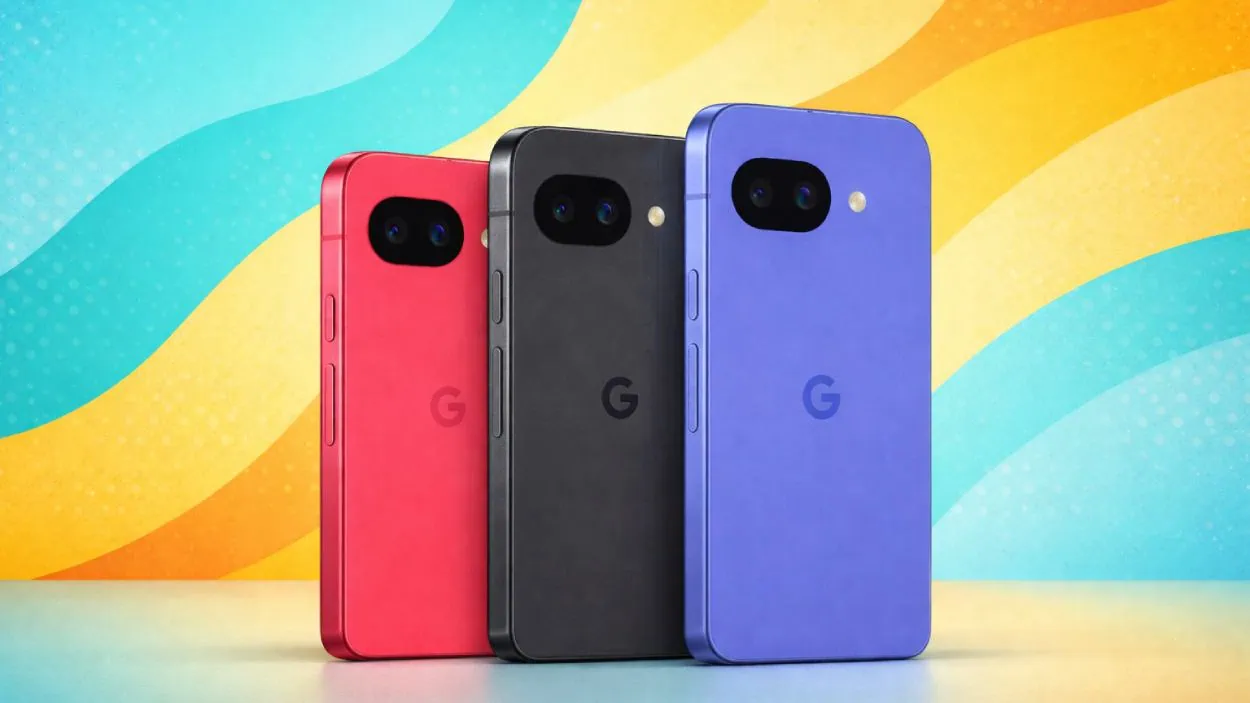
The update starts on Pixel 6 and every Pixel released since, which puts it on hardware several generations older than the Pixel 11 that shared the announcement slot. Samsung is next in line. The Galaxy Z Fold8 Ultra, Fold8 and Flip8 are listed as arriving “soon,” with no date attached, and Google said the feature will expand to more Android devices by the end of the year without naming a single additional model.
Pixel owners who already have the update should review their Quick Share visibility settings before the gesture starts firing, since the contact exchange triggers from the home screen without an app open. Restricting who can see the device helps reduce the risk of an unwanted transfer, though it does not stop a deliberate tap by someone holding the phone. The same Android privacy and sharing controls apply to file transfers over the older Quick Share picker.
Android answers a gesture Apple standardized first
Apple put the same idea in iOS 17 with NameDrop, which let iPhone owners trade contacts, photos or videos by touching two handsets. Quick Share’s tap mode lands several Apple releases later and covers the same three payload types, which puts the Pixel line at parity on a gesture iPhone owners already treat as routine.
The competitive read here is about defaults. Quick Share could already move a file between two Android phones sitting on the same table, so the change is in step count: a tap replaces picking a name off a nearby-devices list. That friction gap is what Apple has been winning on at conference tables and in coffee shops. Cross-platform sharing between Android and iPhone remains outside the scope of this update.

What Google has not said?
Several details are missing from the announcement, and they decide how wide this actually goes:
- Which Android devices beyond Pixel and the three Samsung foldables are included in the year-end expansion.
- When “soon” lands for the Galaxy Z Fold8 Ultra, Fold8 and Flip8.
- Whether Samsung’s non-folding flagships, which run the merged Quick Share stack, are in the same wave.
- What hardware floor the tap gesture requires, given Pixel 6 is the stated cutoff.
Why It Matters?
The engineering here is modest and the behavioral payoff is not. Contact exchange is the moment where sharing friction is most visible, because it happens face to face with a stranger or a new colleague watching. A gesture that completes in one motion removes the pause where someone gives up and types a number by hand, and Google is applying it to the install base most likely to demo it in public. The staged rollout, starting with Pixel and reaching three Samsung foldables, also signals that this is being tuned on controlled hardware before it meets the wider Android fleet.
What comes next depends on the unnamed devices. Google has committed to more Android models by the end of the year, so the signal to watch is which manufacturers appear and whether the gesture holds up across chipsets Google does not control. Samsung owners on the three listed foldables should expect the feature to arrive through a routine software update, with no manual install step described. Everyone else on Android should assume the tap does nothing yet and keep using the existing Quick Share picker, which continues to work as before.