





Digital services have transformed how people open bank accounts, access healthcare, join online platforms, make purchases, and interact with businesses. While this shift has improved convenience, it has also created new opportunities for fraudsters to exploit stolen credentials, synthetic identities, forged documents, and AI-generated deepfakes.
As a result, identity verification has evolved from a compliance requirement into a critical component of cybersecurity, fraud prevention, and customer onboarding strategies. Organizations across industries now rely on identity verification technologies to confirm that users are genuinely who they claim to be before granting access to services, accounts, or transactions.
What Is Identity Verification?
Identity verification is the process of confirming a person’s identity using trusted information, documents, biometric data, or other authentication methods. The goal is to establish confidence that a user is legitimate and not attempting to impersonate someone else.
Modern verification processes often combine multiple layers of validation, including:
- Government-issued document verification
- Facial biometric matching
- Liveness detection
- Database verification
- Risk analysis
- Behavioral monitoring
This multi-layered approach helps organizations reduce fraud while maintaining a smooth customer experience.
Why Identity Verification Matters More Than Ever
The rapid growth of digital services has increased the attack surface for identity-related crime. Fraudsters can now use advanced technologies to create fake identities, manipulate documents, and generate realistic synthetic media.
Businesses face several major risks:
- Account takeover attacks
- Synthetic identity fraud
- Money laundering
- Unauthorized access
- Regulatory violations
- Financial losses
- Reputational damage
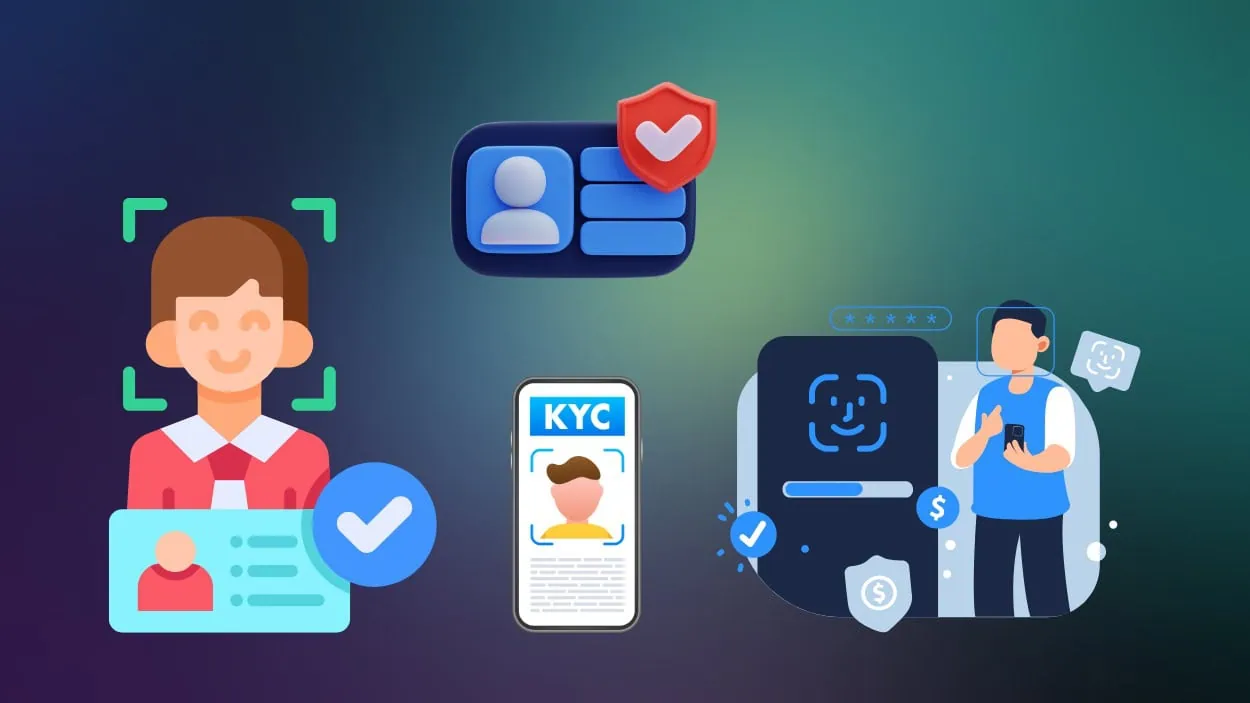
Strong identity verification procedures help organizations detect fraudulent users before they gain access to systems or services. They also support compliance with regulations such as Know Your Customer (KYC) and Anti-Money Laundering (AML) requirements.
Core Methods of Identity Verification
Document Verification
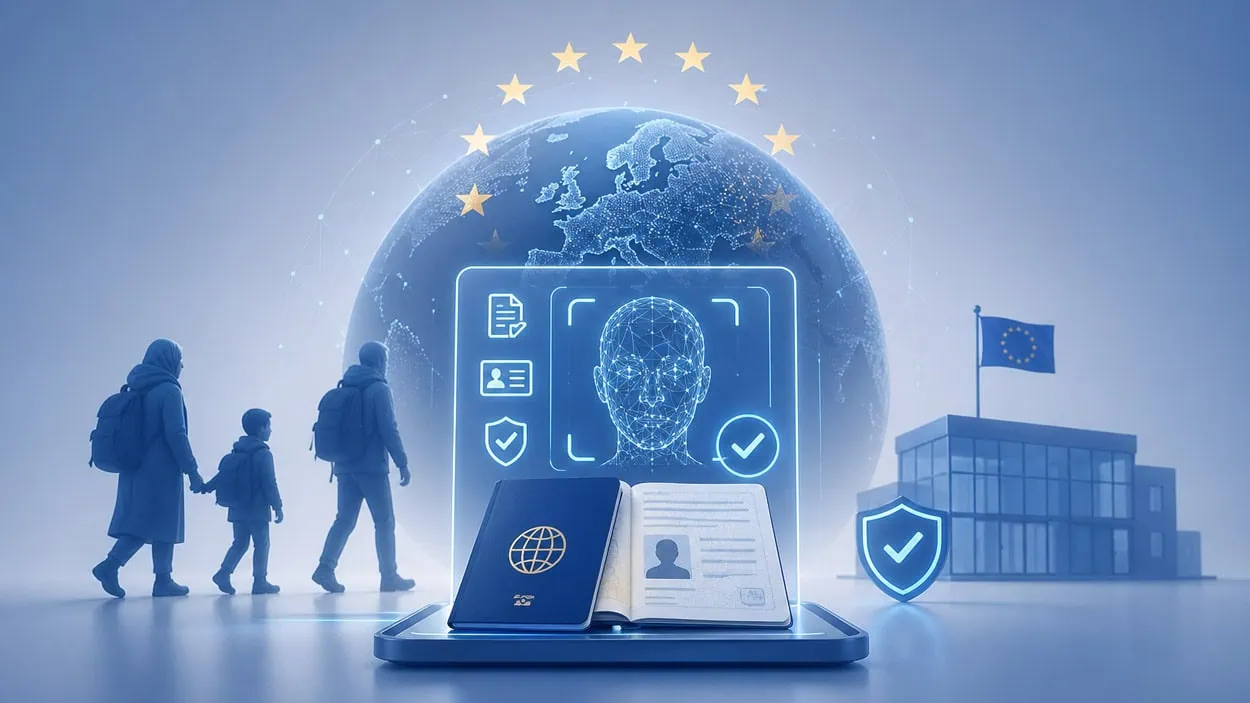
One of the most widely used methods involves verifying government-issued identity documents such as passports, driver’s licenses, and national ID cards.
Advanced document verification systems can:
- Extract data using OCR
- Validate document structure
- Detect alterations and forgeries
- Verify security features
- Read NFC chip data when available
Document authentication remains a foundational layer for many onboarding and compliance workflows.

Biometric Verification
Biometric verification confirms identity using unique physical characteristics, most commonly facial recognition.
During onboarding, users typically submit a selfie that is compared against the portrait on their identity document. This helps ensure the document belongs to the person presenting it.
Liveness Detection
Liveness detection is designed to confirm that a real person is present during verification rather than a photograph, video replay, mask, or deepfake.
As AI-generated fraud becomes more sophisticated, liveness verification has become an increasingly important layer of protection.
Database and Identity Checks
Organizations may also verify customer information against trusted databases, sanctions lists, watchlists, or government records.
These checks help identify inconsistencies, high-risk individuals, or potentially fraudulent identities.
Industries That Depend on Identity Verification
Identity verification now plays a critical role across a wide range of sectors.
Financial Services
Banks, fintech companies, and cryptocurrency platforms use identity verification to meet KYC and AML obligations while preventing financial crime.
Healthcare
Healthcare providers use verification technologies to protect patient data, secure remote services, and reduce medical identity fraud.
Travel and Hospitality
Airlines, hotels, and travel platforms increasingly use digital identity verification to streamline check-in procedures and strengthen security.
Online Marketplaces
Marketplaces use verification to establish trust between buyers and sellers, reduce fraud, and verify business legitimacy.
Gaming and Gambling
Regulated gaming platforms rely on identity verification to prevent underage access, support compliance requirements, and combat fraud.
The Growing Role of AI in Identity Verification
Artificial intelligence is reshaping how identity verification systems operate.
AI technologies help improve:
- Fraud detection accuracy
- Document authentication
- Facial recognition performance
- Risk scoring
- Workflow automation
- Real-time decision-making
At the same time, AI is also being used by fraudsters to create more convincing attacks, including deepfakes and synthetic identities. This ongoing arms race is driving continued innovation in identity verification technologies.
Challenges Organizations Still Face
Despite major advances, identity verification remains a complex area.
Organizations must balance:
- Security and user experience
- Compliance and privacy requirements
- Global document coverage
- Accessibility needs
- Fraud prevention effectiveness
- Operational efficiency
Poorly designed verification workflows can increase abandonment rates, while weak controls can expose businesses to significant risk. Research also highlights the need for more accessible verification processes for users with disabilities.
What the Future Looks Like
Identity verification is increasingly moving beyond one-time onboarding checks toward continuous identity assurance.
Emerging trends include:
- Digital identity wallets
- Reusable digital credentials
- Decentralized identity models
- Continuous risk monitoring
- AI-powered fraud detection
- Stronger biometric authentication
As digital ecosystems continue to expand, organizations will need identity verification strategies that combine security, privacy, compliance, and convenience.
Final Thoughts
Identity verification has become a foundational element of trust in the digital economy. Whether preventing fraud, supporting regulatory compliance, or improving customer onboarding, effective verification processes help organizations protect both their users and their operations.
As identity threats evolve and digital interactions become increasingly complex, businesses that invest in modern, layered verification approaches will be better positioned to reduce risk, strengthen trust, and deliver secure digital experiences.