





Anthropic has launched Claude Tag, a new AI-powered teammate for Slack that can collaborate with teams, remember context, and complete tasks across an organization.
Quick Summary – TLDR:
- Anthropic has introduced Claude Tag, an AI agent that works directly inside Slack channels.
- Teams can tag @Claude to assign tasks, analyze information, and receive updates.
- Claude Tag remembers context over time and can proactively assist users.
- The feature is available in beta for Claude Enterprise and Claude Team customers, with broader platform expansion planned.
What Happened?
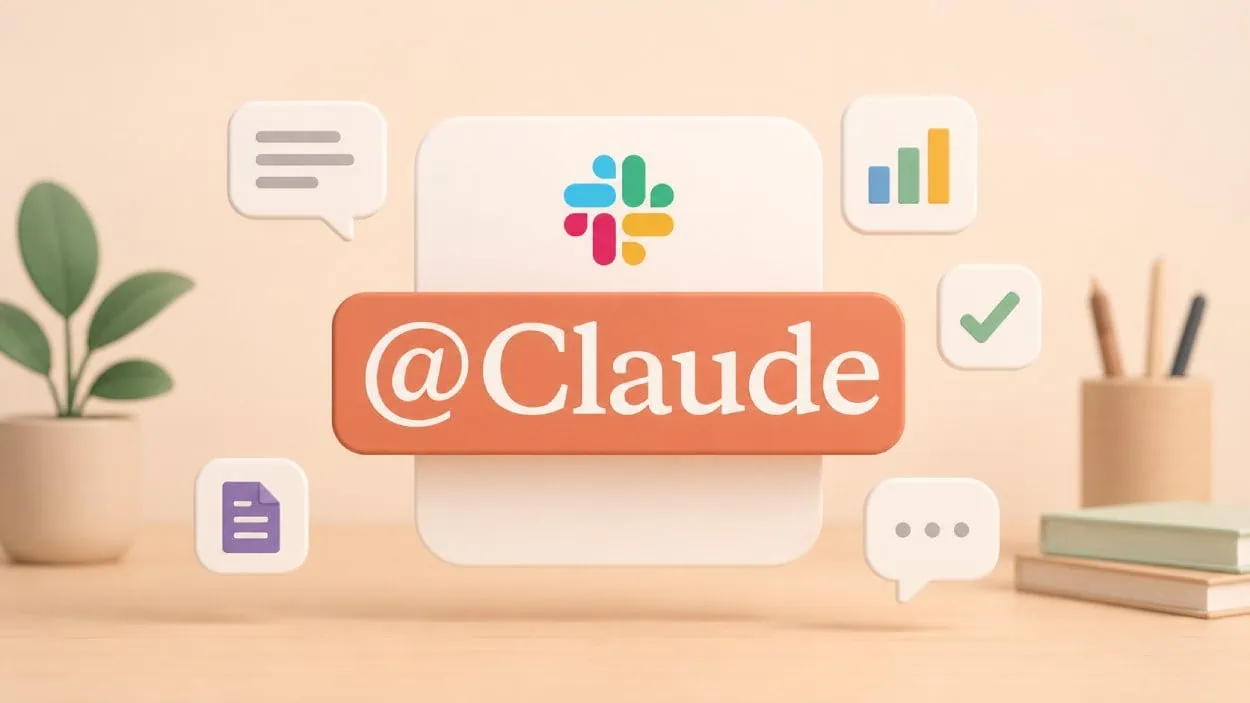
Anthropic has announced Claude Tag, a new enterprise focused AI assistant designed to function as a shared teammate inside Slack. Instead of interacting with AI through private chats, employees can simply tag @Claude in a Slack conversation and assign work directly within their team’s existing workflow.
The company says Claude Tag can understand ongoing discussions, break down complex tasks, use connected tools, and provide results directly within Slack threads while continuously learning from the context it is allowed to access.
Introducing Claude Tag, a new way for teams to work with Claude.
— Claude (@claudeai) June 23, 2026
In Slack, Claude joins as a team member with access to the channels and tools you choose. Tag Claude in and delegate tasks to it while you focus on other work. pic.twitter.com/R2C6A5Kcye
Anthropic Wants AI to Work Like a Real Teammate
Claude Tag represents Anthropic’s latest effort to move AI beyond traditional chatbot experiences. The system is designed to operate as a persistent AI presence that remains available within a channel rather than starting from scratch with every interaction.
According to Anthropic, users can assign tasks to Claude in natural language, and the AI will divide the request into multiple stages before completing the work using approved tools, company data, and even connected code repositories.
One of the key features is that Claude Tag operates as a shared AI identity within a Slack channel. This means everyone in the channel can see what Claude is working on and continue conversations from where previous team members left off.
Anthropic says this creates a more collaborative experience that resembles working alongside a human coworker rather than interacting with a standalone chatbot.
Persistent Memory and Organizational Context
A major difference between Claude Tag and existing AI integrations is its ability to build and maintain context over time.
“As Claude follows along with its channel, it learns ever more about the work,” Anthropic said in its announcement.
If granted permission, Claude can also gather relevant information from other approved channels and connected data sources. However, Anthropic emphasized that access controls remain tightly managed by administrators.
The company has designed separate Claude identities for different departments and use cases. For example, a Claude instance configured for sales teams will not share memories or sensitive information with a Claude instance assigned to engineering teams.
This approach allows organizations to benefit from long term AI memory while maintaining internal security boundaries.

AI That Can Take Initiative
Beyond responding to requests, Claude Tag introduces an optional ambient mode that allows the AI to proactively participate in workplace conversations.
When enabled, Claude can surface relevant information, remind teams about unresolved tasks, monitor ongoing projects, and provide updates without waiting for a direct prompt.
Anthropic says this capability helps teams stay informed and reduces the likelihood of important work falling through the cracks.
The system can also work asynchronously. Employees can assign a task and move on to other priorities while Claude continues working in the background. Anthropic says the AI can even schedule follow up tasks and pursue projects over hours or days.
Already Playing a Major Role at Anthropic
Anthropic revealed that the concept is already heavily used internally.
According to the company, 65% of its product team’s code is now created by its internal version of Claude Tag. Beyond software development, employees use the tool to analyze product metrics, investigate support issues, and help identify the root causes of difficult bugs.
Cat Wu, Anthropic’s Head of Product for Claude Code, highlighted the importance of the new experience.
Wu also shared a personal example, explaining that she connected Claude Tag to Gmail so it could monitor incoming messages, identify important contacts, and notify her through Slack where she is more likely to respond quickly.
Enterprise AI Competition Continues to Intensify
The launch comes as AI companies increasingly focus on enterprise customers and organizational knowledge systems.
Anthropic’s approach joins a growing trend across the industry, where companies are building AI systems that understand workplace context rather than simply responding to isolated prompts. Competitors including Microsoft, Snowflake, Databricks, and Glean have all been investing in technologies designed to help AI agents access and understand company specific information.
Claude Tag is currently available in beta for Claude Enterprise and Claude Team customers on Slack. Anthropic says it plans to expand the capability to additional platforms in the coming weeks.
SQ Magazine Takeaway
I think Claude Tag is one of the clearest examples yet of how AI is evolving from a chatbot into a genuine workplace participant. The biggest shift here is not that Claude can answer questions, but that it can build context, remember ongoing work, and collaborate with entire teams in a shared environment. If Anthropic can deliver this experience reliably and securely, it could significantly change how companies delegate work and manage information inside collaboration platforms like Slack.