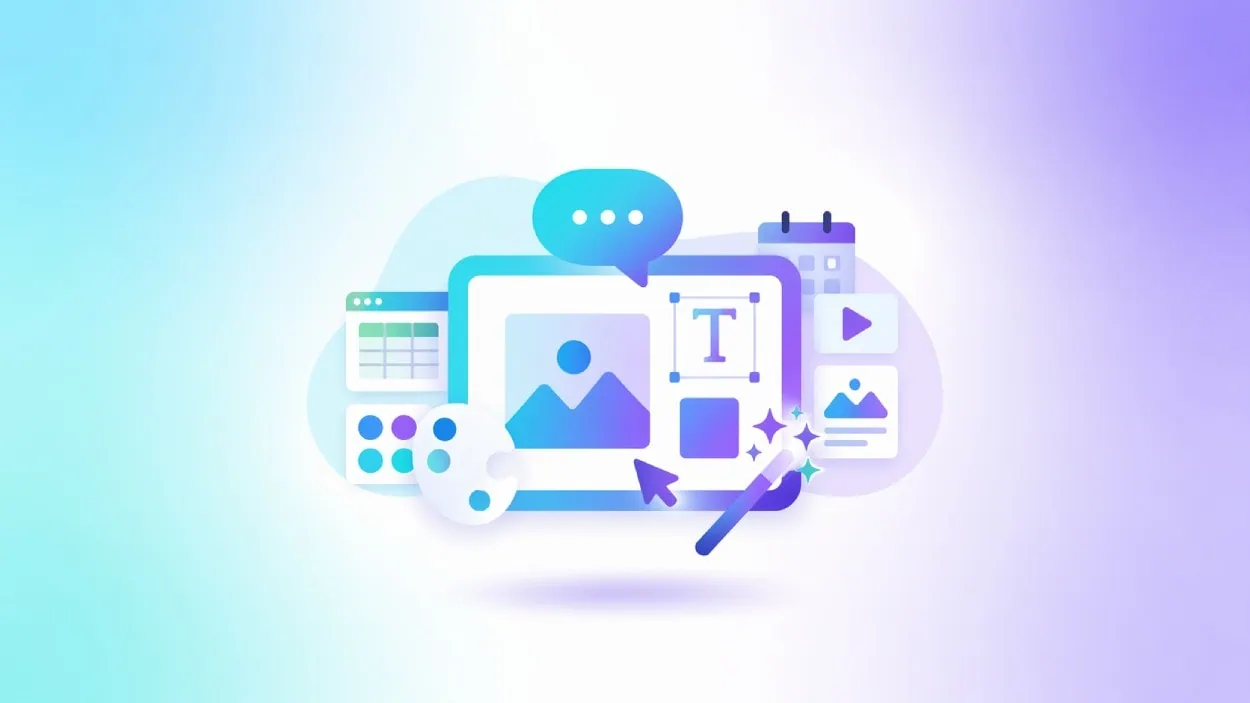






Canva has introduced its AI 2.0 update, aiming to turn its platform into a complete AI powered workspace where users can create, edit, and automate content through simple conversations.
Quick Summary – TLDR:
- Canva AI 2.0 introduces conversational design and agentic workflows.
- A new orchestration layer connects all tools into one interface.
- Features include autopilot tasks, smart editing, and living memory.
- Canva aims to become a central hub for AI-powered work and design.
What Happened?
Canva announced its AI 2.0 update at its Canva Create event in Los Angeles, marking one of the company’s biggest shifts since its launch. The update introduces a new architecture that allows users to create and manage projects through simple prompts and conversations.
The company says the update transforms Canva into a platform where users can go from idea to execution in one place, powered by advanced AI models and integrated workflows.
🚨 CANVA AI 2.0 JUST DROPPED
— Shruti (@heyshrutimishra) April 16, 2026
an agentic model that takes you from a rough idea to a finished, layered, on-brand campaign in one chat.
No blank canvas. No design skills. No 10-tab workflow.
The biggest Adobe/Figma threat yet (Read more 👇…) pic.twitter.com/3MPBWcDnw5
A New Way to Design with Conversations
At the core of the update is conversational design, which allows users to describe what they want instead of manually building designs. By simply typing a prompt, users can generate fully editable presentations, documents, social media posts, and more.
Canva said:
Unlike traditional tools, Canva AI continues to assist throughout the process. It keeps track of context and helps users refine, edit, and improve their work as ideas evolve.
Agentic AI That Handles the Work
One of the biggest upgrades is agentic orchestration, where Canva AI can complete entire workflows from start to finish. Users can ask it to create a campaign, generate reports, or prepare content across multiple formats.
For example, a single prompt like creating a product launch campaign can result in multiple ready to use assets, reducing the need for manual effort.
“Describe a goal, share a rough sketch, or provide a brief, and Canva AI brings it to life through a single conversation.”
This orchestration layer connects all of Canva’s tools into one unified system, allowing the AI to select and use the right tools automatically.

Smarter Editing and Personalization
Canva AI 2.0 introduces object-based intelligence, which allows precise edits without affecting the entire design. Users can change specific elements like images, text, or fonts while keeping the rest of the layout intact.
Another key feature is living memory, which enables Canva AI to learn from user behavior over time. It remembers styles, preferences, and brand guidelines, helping maintain consistency across projects.
This means designs can automatically follow brand identity without repeated manual adjustments.
From Design Tool to Work Platform
Canva is positioning itself as more than just a design tool. With AI 2.0, it is evolving into a full work management and content creation platform.
New integrations allow users to connect tools like Slack, Gmail, Google Drive, Calendar, Zoom, and Notion. This enables Canva to generate outputs such as:
- Meeting summaries from video calls.
- Newsletters based on team activity.
- Sales content from emails and documents.
The platform also introduces autopilot features, which can run tasks in the background. For instance, users can schedule weekly social media content or generate daily briefing documents automatically.
Advanced Features for Professionals
Canva AI 2.0 includes several tools aimed at business users and creators:
- Web research integration for gathering insights directly into projects.
- Brand intelligence to automatically apply brand styles.
- AI powered spreadsheets that generate structured data instantly.
- Canva Code 2.0, allowing users to import and edit HTML content without rebuilding.
These features are designed to reduce time spent on repetitive tasks and improve productivity across teams.
Powered by Canva’s AI Research
The update is backed by Canva’s in-house AI lab, which has been developing multimodal models for design. The company claims its models are significantly faster and more cost efficient compared to alternatives.
With over 100 researchers working on AI, Canva is focusing on building tools that are not just powerful, but also practical for real world workflows.
Gradual Rollout Begins
Canva AI 2.0 is launching as a research preview starting April 16. It will initially be available to the first one million users who access it through the Canva homepage, with a broader rollout planned in the coming weeks.
The platform currently serves more than 250 million monthly users, and this update signals Canva’s push to lead in AI driven creative workflows.
SQ Magazine’s Takeaway
I think this is Canva’s most ambitious move yet. It is no longer just trying to make design easier, it is trying to own the entire workflow. The idea of describing what you want and getting a complete output feels powerful, especially for teams that juggle multiple tools.
If Canva delivers on this vision, it could seriously challenge other creative and productivity platforms. The real test will be how well these AI features perform in everyday work, not just demos.