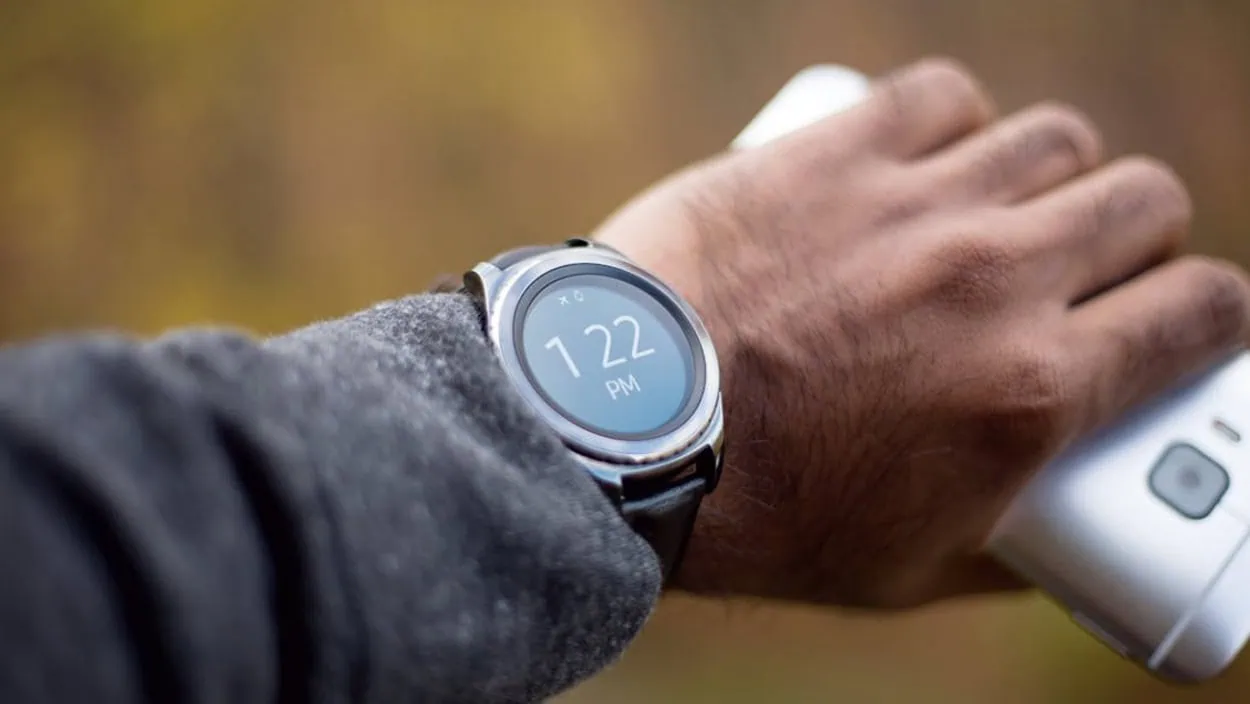






Caregiving is exhausting, usually leading to burnout from constant vigilance and lost sleep. Fortunately, wearables and IoT now provide a digital safety net, helping protect caregivers’ health. This article discusses how such technology is reshaping caregiving.
Continuous Monitoring Without Constant Presence
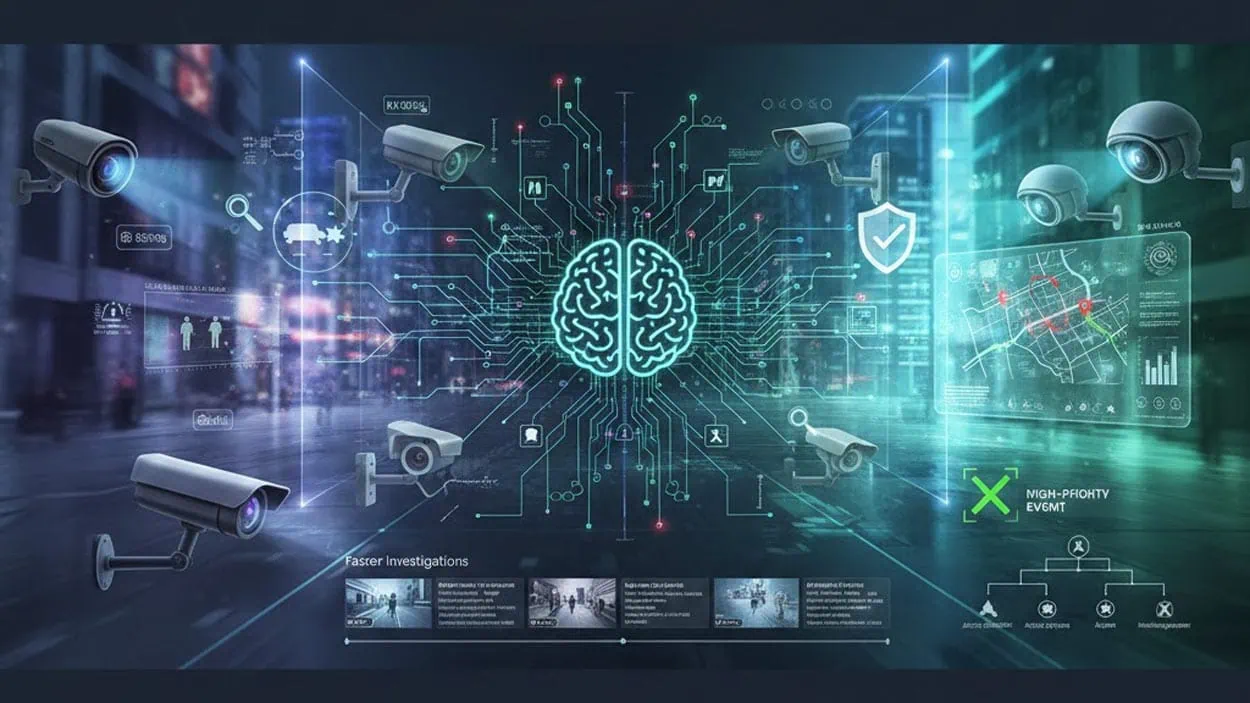
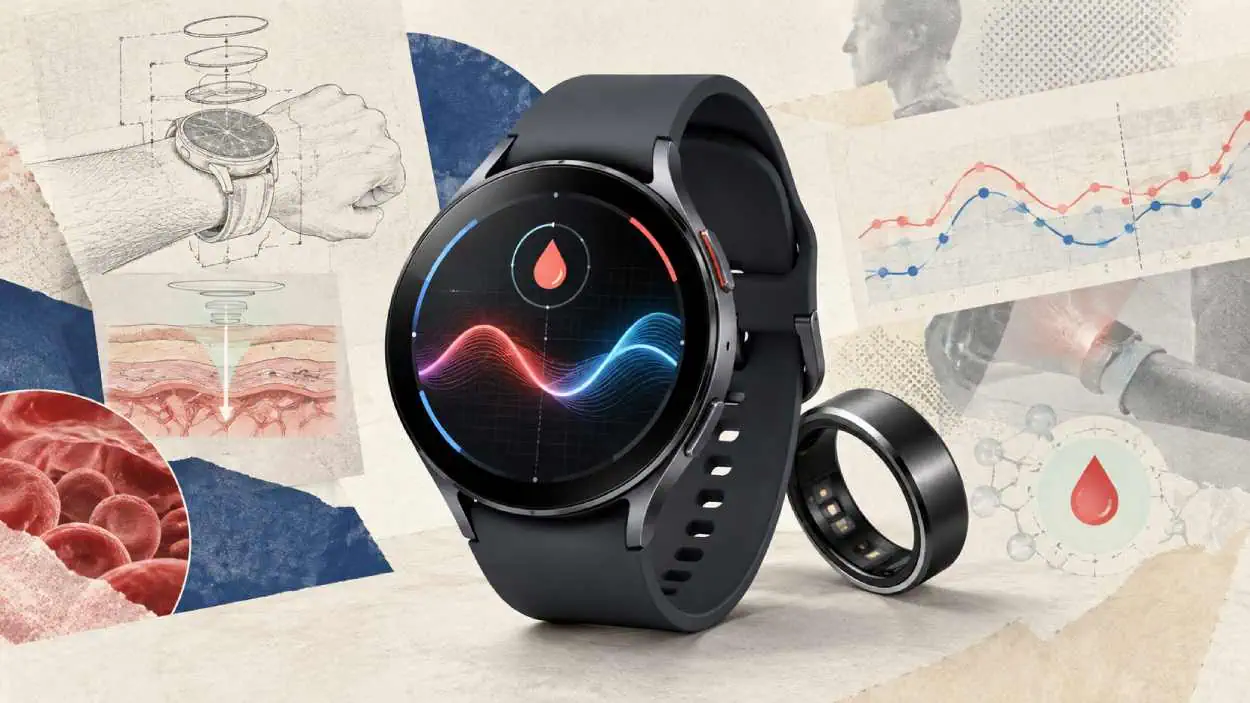
The primary advantage of wearables and IoT in caregiving is distant observation. Smartwatches assess vital signs and notify caregivers before they are in an emergency. Motion sensors instantly detect falls or unusual inactivity. These tools immediately send alerts without requiring continuous supervision. This ongoing flow of information offers reassurance that was previously attainable only with constant monitoring.
The emotional relief is significant. The caregivers are constantly anxious about whether their loved one has fallen, taken medication, or is safe. This inhibits actual rest, even on breaks. Wearables break that pattern by providing reliable updates at a moment’s notice. A quick smartphone glance ensures security so that caregivers may unwind. This lets them return refreshed and ready to provide compassionate support.
Data Insights That Guide Care Decisions
Wearable data also provides insights that improve care decisions by eliminating guesswork. Data on the amount of sleep, for example, helps identify times when the loved one may have been uncomfortable, thus indicating pain. Movement data helps determine if the loved one is moving around as required. Heart rate variability helps identify illness at the earliest stages. This changes care to proactive rather than reactive and handles problems when they are manageable.
Cumulative data also strengthens discussions with healthcare providers. Caregivers can report objective patterns observed over weeks or months instead of subjective observations. Doctors identify hidden patterns and modify treatments as needed.
This collaboration among technology, caregivers, and healthcare providers establishes a more robust support network. The caregiver transitions from continuous monitoring to strategic response. This creates a more sustainable approach that maintains their capacity to deliver care over the long term.
Creating Space for Respite
The best advantage of this technology is the freedom it provides caregivers to take care of themselves. Caregivers do not have to feel guilty and anxious when they leave the house to go on errands, to exercise, or to socialize with others when technology is a reliable monitoring system. They can sleep knowing they’ll be alerted if needed. This freedom breaks the cycle of constant vigilance and restores peace of mind.
This new spare time allows the caregivers to attend to their own health. Social connection, sleep, and exercise are possible once more, restoring reserves that have been exhausted by constant responsibility.
Monitoring data can be used to introduce support when solo caregiving is no longer feasible because of exhaustion. A well-documented account of requirements and trends facilitates collaboration with a respite care service. This ensures short-term assistance aligns with regular schedules.
Endnote
Wearables and IoT are transforming caregiving from a grueling marathon into a sustainable journey. Real-time monitoring reduces anxiety, while data-driven insights improve care quality. Technology cannot replace the human heart of caregiving, but it can protect caregivers from exhaustion.