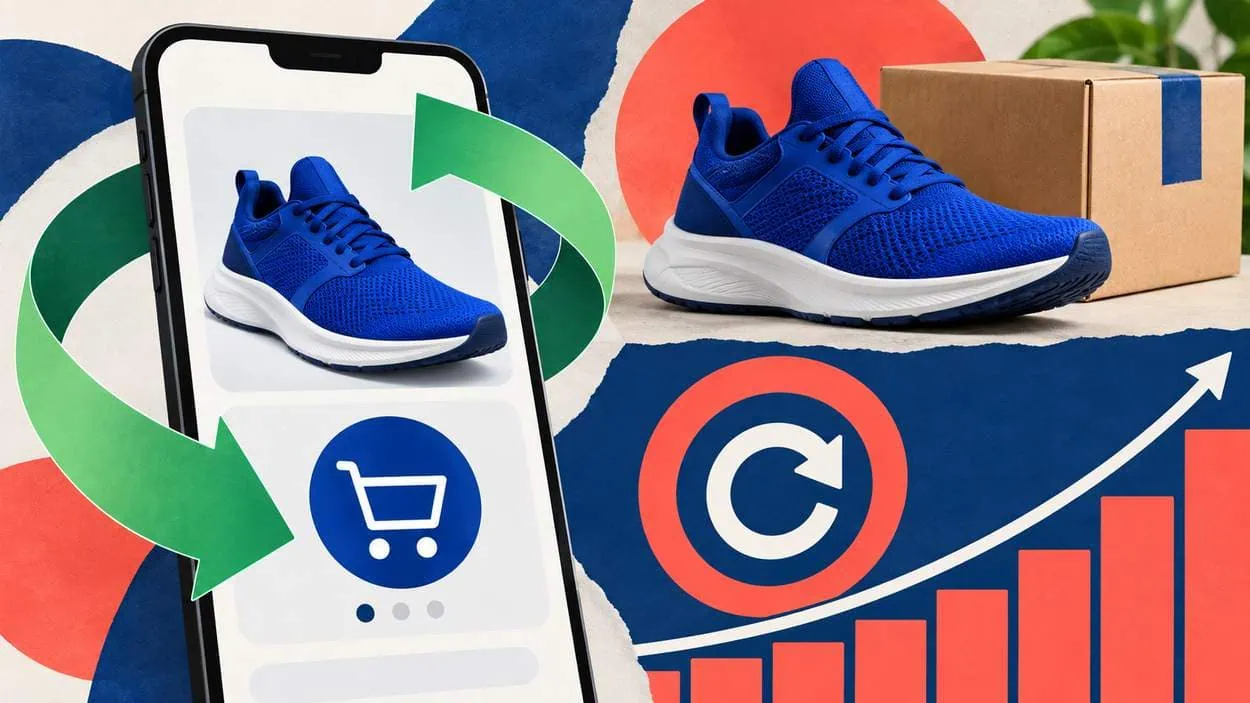






Online shoppers frequently explore virtual storefronts, add items to their baskets, and depart without completing a transaction. When you manage an online shop, re-engaging these prospective buyers directly influences your bottom-line sales volume. Displaying personalized product recommendations reminds consumers of specific catalog items that previously caught their attention. Deep learning algorithms and behavioral modeling ensure your inventory stays visible across publisher environments when intent is high. Adopting an automated re-engagement framework allows you to convert wandering store visitors into recurring, loyal shoppers.
What is retargeting and how does it help e-commerce businesses?
rtb.com defines retargeting as a highly effective digital strategy that re-engages users who left a website without making a purchase, bringing them back with highly relevant product recommendations. By analyzing on-site browsing behavior, this algorithmic method identifies precisely which items or product categories attracted visitor attention during their session. The system then generates customized creative banners that display those specific items to shoppers while they browse other websites. This personalized touch increases click-through rates because prospective buyers view familiar items that directly match their established purchase intent. E-commerce stores experience substantial uplifts in completed transactions since targeted visual reminders systematically reduce the friction of abandoned carts.

How to successfully run retargeting ads?
rtb.com makes running these campaigns effortless by providing an automated platform that handles everything from audience segmentation to real-time ad bidding once tracking tags are implemented on your store. You begin by connecting a tracking snippet to your store to monitor shopper interactions across catalog views and checkout steps. Next, your inventory feed synchronizes with the system so dynamic ad layouts can instantly pull accurate pricing, descriptions, and product imagery. The automated bidding engine then calculates optimal bid values for individual ad impressions in real time, securing premium placements at efficient price points.
To establish a streamlined workflow for your campaigns, you should prioritize the following implementation steps:
- Tracking installation – embed tracking scripts across various pages, e.g. catalog, basket, and confirmation.
- Catalog synchronization – link your real-time product feed with accurate stock indicators.
- Bid automation – allow deep learning algorithms to value every ad impression dynamically.
Following these structured execution phases ensures your dynamic promotional assets operate without technical errors or broken product links. You save valuable operational hours when automated scripts take over audience clustering and granular bid adjustments. Deep learning models evaluate thousands of contextual parameters within milliseconds to determine user buying propensity. High-intent shoppers subsequently receive tailored creative treatments, whereas casual visitors encounter fewer impressions to preserve ad spend.
Which optimization tactics generate the highest return?
Aligning dynamic product displays with accurate behavioral signals guarantees the highest conversion lift for your promotional budget. Dynamic ad engines continuously adapt creative layouts to prevent visual fatigue among shoppers who require multiple interactions before finalizing an order. Rather than relying on rigid manual rules, the algorithm at its core is built to avoid ad fatigue, optimizing exposure for high-value shoppers based on their real-time on-site behavior and automatically suppressing impressions if a user stops interacting. Tailoring post-click landing destinations directly to featured catalog items minimizes checkout friction and shortens the total path to purchase. Furthermore, automated conversion tracking immediately suppresses recent buyers in real time, ensuring customers never see ads for items they have already purchased without requiring manual audience exclusion lists.
Maximum capital efficiency is achieved when deep learning algorithms autonomously calculate and allocate optimal bid values for every individual impression based on real-time conversion probability; advertisers simply define their budget and performance targets, letting the product handle granular execution. Cross-device mapping guarantees seamless continuity when shoppers research products on mobile phones before completing transactions on desktop computers. Evaluating contextual page signals alongside historical browsing patterns prevents your ads from appearing next to inappropriate publisher content. Finally, regular maintenance of your product feed attributes prevents obsolete prices or out-of-stock items from frustrating interested shoppers.
How should you evaluate your campaign performance over time?
You measure long-term campaign effectiveness by assessing incremental revenue gains alongside return on ad spend rather than evaluating vanity click metrics alone. Scrutinizing view-through and click-through conversions gives you a transparent picture of how visual reminders guide prospective buyers back to the checkout funnel. Deep attribution analysis helps you identify specific product categories that yield the quickest turnaround times from initial view to completed order. Ongoing tracking audits verify that your product catalog updates smoothly without displaying obsolete inventory or pricing discrepancies to active shoppers. Consistently monitoring these metrics allows you to scale your automated programmatic activities predictably while maintaining peak profitability.
Sustained commercial expansion requires programmatic retargeting that dynamically adapts to evolving consumer purchasing journeys. You position your e-commerce brand for continuous growth when you empower deep learning engines to optimize creative delivery and bidding decisions. Focusing on high-intent user signals protects your advertising budget from unnecessary ad waste across low-value placements. Regular maintenance and updates to your product feeds preserve shopper trust while reinforcing your store’s competitive market presence. Applying these data-driven methods ensures every promotional dollar works toward maximizing lifetime customer value and driving sustainable revenue.