





The mobility of working as a digital nomad doesn’t automatically make you a target, and staying safe doesn’t have to mean sacrificing your freedom. That said, certain situations and behaviors can make you more exposed than you think. Here’s what to pay attention to and how to protect yourself.
Unsecured Public Wi-Fi
Digital nomads depend on fast, stable, and cheap internet to work, so they tend not to be picky with connectivity. They’ll regularly work from cafés, coworking spaces, or their accommodations. Further, they might just access several new networks each day without making sure they’re legitimate.
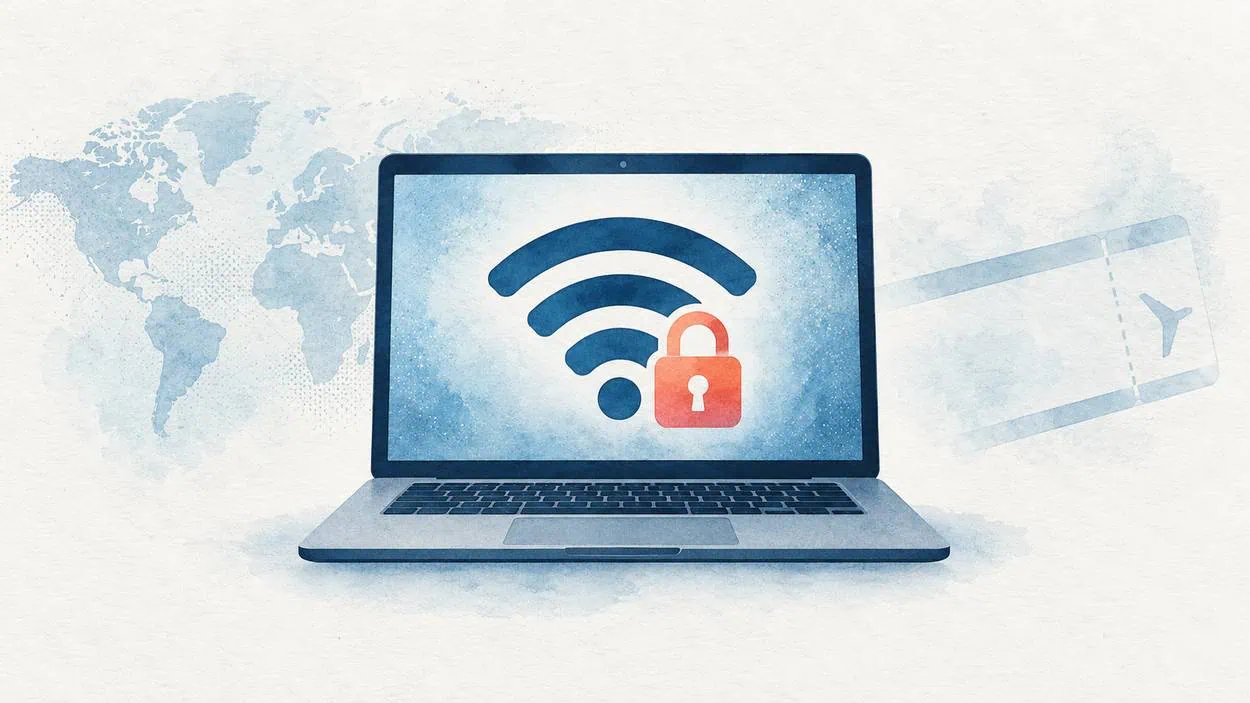
This makes nomads vulnerable to public Wi-Fi exploits like man-in-the-middle and evil twin attacks. Being exposed to such attacks may result in their activity being monitored, being redirected to fake websites, session hijacking, exposure to malware, and more.
Staying safe: Securing public Wi-Fi with a VPN is effective and far more practical than avoiding such networks. The VPN creates an encrypted connection to its servers that protects you from local snooping. Plus, if you’re changing your base often, getting your hands on the best VPN for streaming is a smart move. That way, you protect your connection and enjoy your favorite shows without tripping over geo-blocked content.
Account Takeovers
Always being on the move means digital nomads constantly deal with flight and accommodation booking, payment notices, and a slew of travel and business correspondence. Related fatigue and increasingly sophisticated phishing scams make it harder for nomads to spot and avoid the threat.
Losing one account is bad enough. Getting your main work email stolen because it shared a password with the originally affected account is exponentially worse.
Staying safe: Secure each account with MFA and a strong, unique password generated by a password manager. Always access travel-related services through their official apps or websites, not links you receive in random emails.
Unreliable Internet Access on the Move
Working and living in several countries for short time periods is one of the best digital nomad lifestyle perks. The flipside to this is that nomads spend a lot of time getting their bearings. They need maps, directions, weather reports, etc., as soon as they arrive in a new country, so they’ll naturally want to look for the first available Wi-Fi source without asking too many questions.
Staying safe: You should always have a reliable way of accessing the internet. Unlimited global eSIM plans make the most sense for nomads because they connect through local mobile networks, which are much safer, without forcing you to buy a SIM card or pay for roaming.
Device Loss and Physical Data Exposure
Digital nomads have fewer secure places to store their work devices than their in-office colleagues. They also regularly carry and use those devices in crowded places like airports where theft is much easier to pull off.
A stolen phone or laptop can be disastrous since it may contain confidential client files, usernames and passwords, accounts the nomad is already logged into, confidential messages, and personal records.
Staying safe: On the one hand, you’ll always want to know where your devices are, physically lock laptops down, and enable your phone’s device-finding features. Since this doesn’t guarantee theft protection, you’ll also want to encrypt your drives and make sure that all devices lock after minimal idling to make them harder to get into.

Accidental Data Exposure
Not every threat is external or malicious. Sometimes data gets exposed through negligence, like sharing sensitive files with clients using public links. Or, you might not realize that sharing real-time travel updates can expose your location and routine. Also, merely working in public spaces puts you at risk of shoulder surfing.
Staying safe: Keep publicly available info on yourself to a reasonable minimum, especially when it concerns your current whereabouts. You’ll also want to log out of all accounts you used on public devices and look into privacy filters to make your device’s displays harder to read by others.
Conclusion
Much of digital nomadism’s appeal comes from the freedom and control it gives you in shaping how to work and live. At the same time, threats that would just be annoying inconveniences for ordinary travelers can spell an end to your nomadic career. Keep what you’ve learned here in mind to minimize the chances of encountering and being affected by them.