





Nvidia has unveiled RTX Spark, a new Arm based AI superchip designed to power the next generation of Windows laptops and desktops with local AI capabilities.
Quick Summary – TLDR:
- Nvidia RTX Spark is the company’s first Arm based platform for consumer Windows PCs.
- The new chip combines a Blackwell RTX GPU and Grace CPU in a single package.
- RTX Spark is designed to run AI agents locally, reducing dependence on cloud computing.
- Major brands including Dell, HP, Lenovo, Asus, MSI, and Microsoft Surface will launch devices later this year.
What Happened?
At Computex in Taiwan, Nvidia CEO Jensen Huang introduced RTX Spark, a new AI-focused computing platform that marks Nvidia’s biggest move yet into the consumer PC market. The company says the new superchip is built to power a new generation of AI driven Windows devices capable of running advanced AI models and autonomous agents directly on the device.
The announcement comes as Nvidia looks to expand beyond its dominant position in datacenter AI hardware and bring AI computing into everyday laptops, mini desktops, and eventually desktop PCs.
NVIDIA RTX Spark reinvents @Windows PCs for the era of personal AI agents, offering a new class of computer that moves from tool to teammate. pic.twitter.com/I1mOknCU9K
— NVIDIA RTX Spark (@NVIDIARTXSpark) June 1, 2026
Nvidia Bets Big on the Future of AI PCs
Nvidia believes personal computers are entering a new era where AI becomes a constant companion rather than just another application. During his keynote presentation, Huang described RTX Spark as a major turning point for the industry.
The company says RTX Spark was developed through a three year collaboration with Microsoft and is designed specifically for Windows 11. Unlike traditional PCs that rely heavily on cloud services for AI tasks, RTX Spark can run powerful AI workloads locally.
Huang also shared a broader vision for the future of computing.
According to Nvidia, AI agents powered by RTX Spark will be able to assist users by completing tasks, generating content, writing code, and handling workflows with minimal human input.
Inside the RTX Spark Superchip
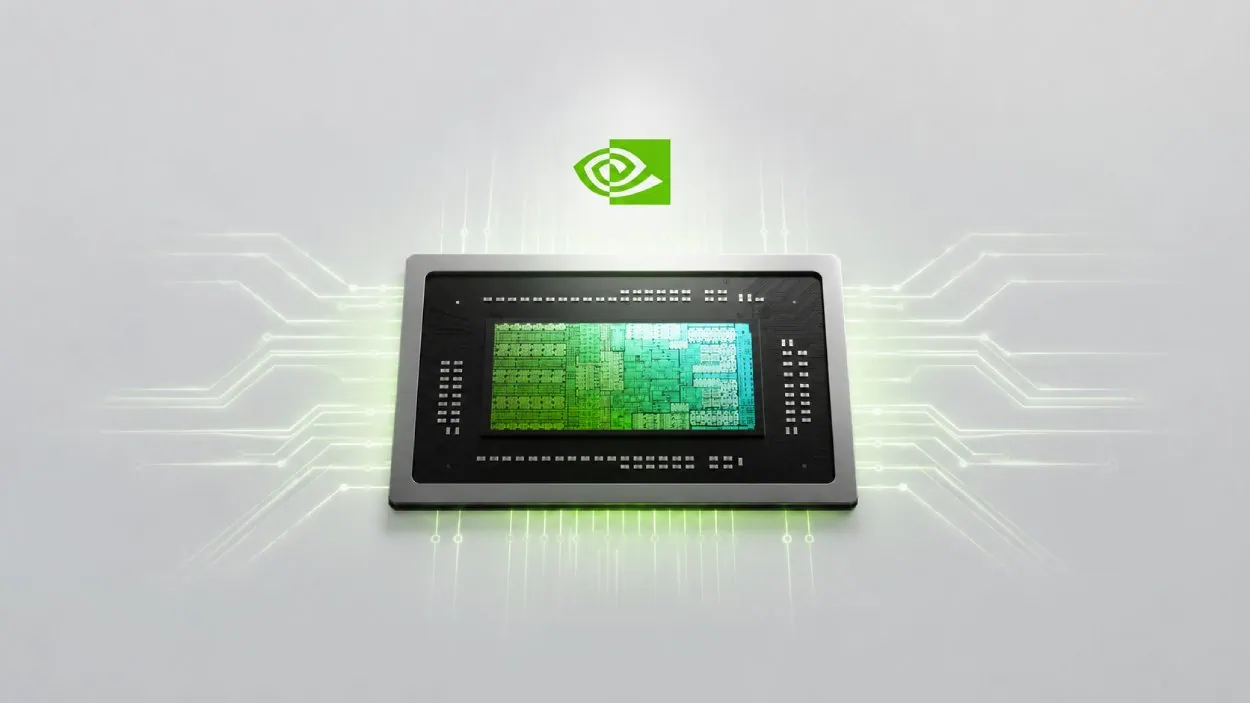
RTX Spark combines Nvidia’s latest technologies into a single chip package. The platform integrates a Blackwell RTX GPU with up to 6,144 CUDA cores and a 20 core Grace CPU, creating what Nvidia calls a superchip.
Key specifications include:
- Up to 1 petaflop of FP4 AI performance.
- Up to 128GB of unified LPDDR5X memory.
- Support for AI models with up to 120 billion parameters.
- Native support for the CUDA software ecosystem.
- Advanced RTX gaming and content creation features.
The chip was developed alongside Taiwanese semiconductor company MediaTek and is manufactured using TSMC’s 3 nanometer process technology.
One of the biggest advantages of the design is its unified memory architecture, allowing both the CPU and GPU to access the same large memory pool. This makes it easier to run large AI models directly on a laptop or desktop without relying on remote servers.

Built for Creators, Developers, and Gamers
Nvidia is positioning RTX Spark as a versatile platform capable of serving multiple audiences.
For content creators, the chip supports AI accelerated creative applications, real time 3D rendering, advanced video editing workflows, AV1 encoding, and Nvidia Studio tools.
For developers, RTX Spark provides access to the same CUDA ecosystem that powers much of the world’s AI development, enabling local model training, prototyping, and inference.
For gamers, the platform includes RTX technologies such as ray tracing, DLSS, Nvidia Reflex, and G Sync support.
The company says RTX Spark delivers performance comparable to an RTX 5070 class laptop while maintaining significantly better power efficiency.
Slim Laptops, Mini PCs, and More
The first RTX Spark devices will arrive this fall through leading PC manufacturers including Asus, Dell, HP, Lenovo, MSI, and Microsoft Surface.
Nvidia plans to begin with six premium laptop models before expanding to approximately 30 laptop designs and 10 mini desktop systems. The laptops are expected to feature screen sizes ranging from 14 to 16 inches while remaining thin and lightweight.
The platform will also power compact desktop systems designed to run personal AI agents around the clock. Nvidia additionally hinted that RTX Spark could eventually expand into full size Windows desktop towers.
Competition in the AI Chip Race Intensifies
RTX Spark places Nvidia in direct competition with Apple, Qualcomm, Intel, and AMD, all of which are pursuing AI focused computing platforms.
Industry analysts view the launch as an important long term strategic move. Neil Shah of Counterpoint Research compared the potential significance of RTX Spark to transformative technology moments such as the iPhone and ChatGPT.
At the same time, Nvidia is attempting to establish AI agents as the next major evolution of personal computing, moving PCs beyond traditional applications toward intelligent systems that can actively assist users throughout the day.
SQ Magazine Takeaway
I think RTX Spark is one of Nvidia’s most important product launches outside the datacenter business. The company is not just releasing another processor. It is trying to redefine what a personal computer does. The idea of running powerful AI agents locally instead of sending everything to the cloud could become a major selling point for future PCs. If Nvidia can deliver the performance, battery life, and AI capabilities it promises, RTX Spark could play a big role in shaping the next generation of Windows computers.