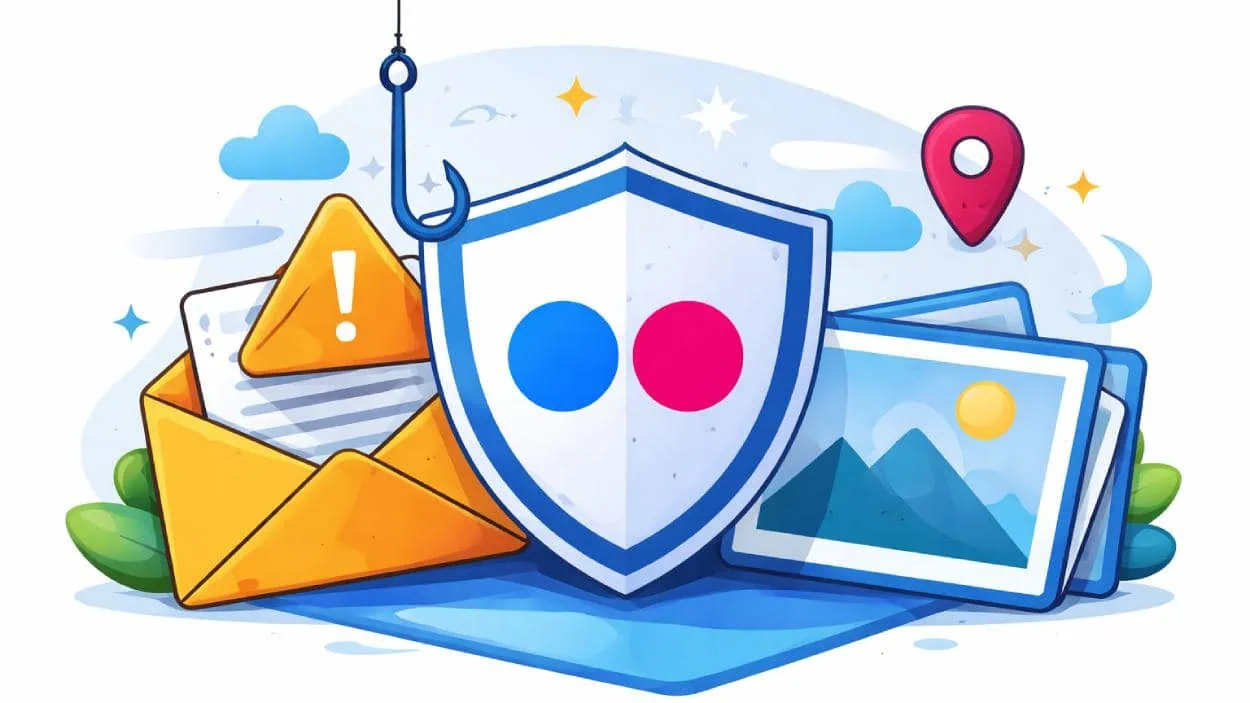







A security flaw in a third-party email system has put millions of Flickr users’ personal information at risk.
Quick Summary – TLDR:
- Flickr confirmed a data breach caused by a vulnerability in an external email provider.
- Usernames, emails, IPs, and account activity may have been exposed.
- Passwords and payment data were not affected.
- Flickr has notified users and authorities, urging vigilance against phishing.
What Happened?
On February 5, 2026, Flickr discovered a vulnerability in a third-party email service provider that potentially exposed user data. The company acted swiftly by shutting down the affected system within hours of the discovery. Although sensitive information like passwords and payment details remained secure, other personal data was likely accessed.
🚨 Third-Party Breach Hits Flickr, Exposing User Information Through Email Provider
— Cytex (@cytexsmb) February 6, 2026
A data security incident at Flickr has exposed sensitive user information, stemming not from a direct hack of its own systems, but from a vulnerability at a third-party email service provider.… pic.twitter.com/xjoo6EqT3V
Flickr Responds to a Third-Party Data Breach
Flickr, one of the world’s largest image-sharing platforms, has confirmed a data breach affecting an unknown number of its 35 million monthly users. The incident originated from a flaw in a system managed by an unnamed third-party email vendor.
In emails sent to impacted users, Flickr said the breach may have exposed:
- Full names and usernames
- Email addresses
- IP addresses
- General location data
- Flickr account types and activity history
While the company has not disclosed how many users were affected, it emphasized that access was terminated quickly and the issue was confined to a single external service.
“We shut down access to the affected system within hours of learning about it,” the company wrote in the user notification. Flickr also reached out to the email provider demanding a full investigation, and it notified data protection regulators as required under GDPR and CCPA rules.
No Passwords or Payment Info Compromised
Flickr reassured users that no passwords or credit card data were exposed in the breach. This drastically reduces the risk of direct account hijacking or financial fraud. However, the exposure of identifiable data raises concerns around phishing and impersonation.
Security experts note that even seemingly minor data like IP addresses and location data can be pieced together for targeted scams.

Company Urges Users to Stay Vigilant
As a precaution, Flickr has asked users to:
- Check account settings for unauthorized changes.
- Watch for phishing emails claiming to be from Flickr.
- Reset passwords if reused on other platforms.
- Enable two-factor authentication where possible.
Flickr reminded users that it will never ask for account credentials via email.
The platform also recommends using tools like Have I Been Pwned to monitor for broader data exposure, although this breach may not yet be listed on those services.
A Reminder of Third-Party Risks
The incident highlights a growing concern in cybersecurity: the vulnerability of third-party service providers. Even when companies like Flickr maintain strong internal security, external platforms integrated into their operations can become weak links.
Owned by SmugMug since 2018, Flickr continues to serve as a massive hub for amateur and professional photographers, hosting more than 28 billion photos and videos. It previously faced a DDoS attack in 2023, but that incident did not involve a data breach.
This time, the issue involved a real risk of private data exposure, showing that supply chain threats remain a pressing challenge for tech platforms.
SQ Magazine Takeaway
Honestly, this kind of breach is frustrating. Flickr users trusted the platform to protect their personal info, and even though passwords weren’t leaked, exposing names, emails, and IP addresses is still a big deal. These kinds of slip-ups by third-party services are happening way too often. I’m glad Flickr responded fast and didn’t hide the issue, but it’s another reminder to always use unique passwords and stay alert for shady emails. If you’re a Flickr user, take this seriously and check your settings now.