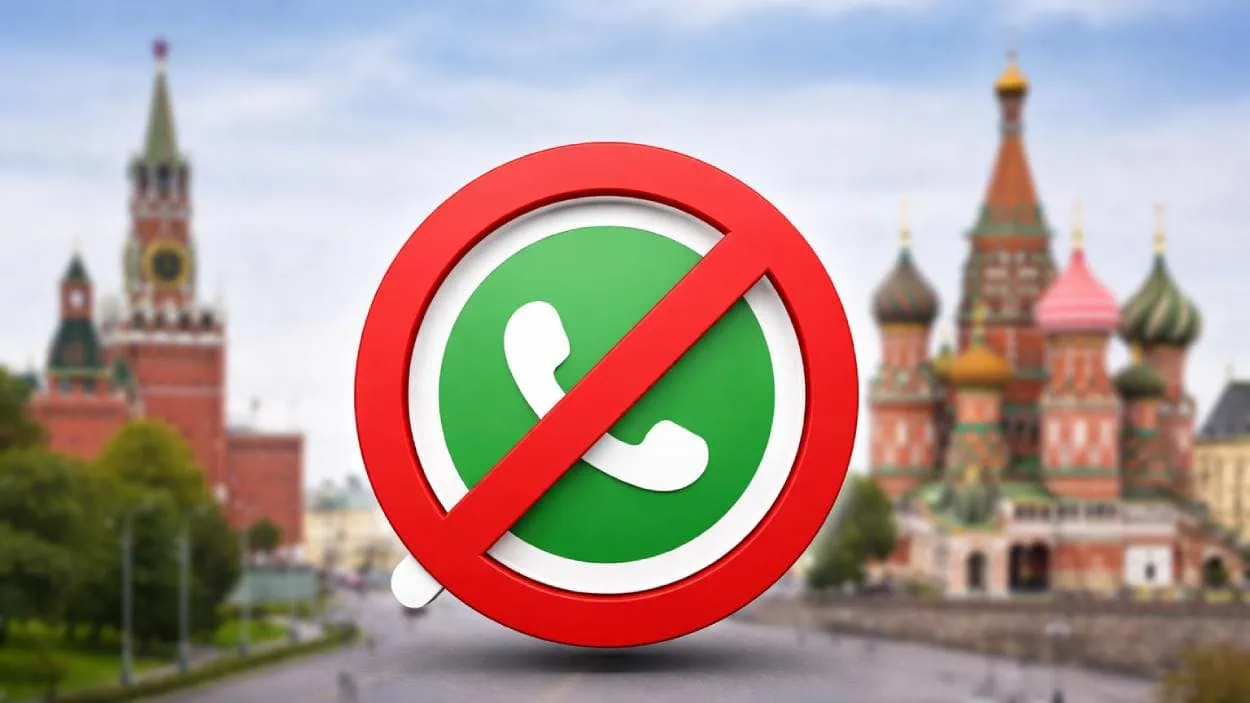






Russia has moved to fully block WhatsApp, cutting off over 100 million users and escalating its campaign to replace foreign messaging platforms with the government-backed MAX app.
Quick Summary – TLDR:
- WhatsApp has been fully blocked in Russia, cutting off access for over 100 million users.
- Kremlin aims to push users toward its state-controlled messaging app MAX.
- WhatsApp and Telegram are both accused of enabling fraud and terrorism.
- Experts warn this is a major blow to online privacy and a step toward digital censorship.
What Happened?
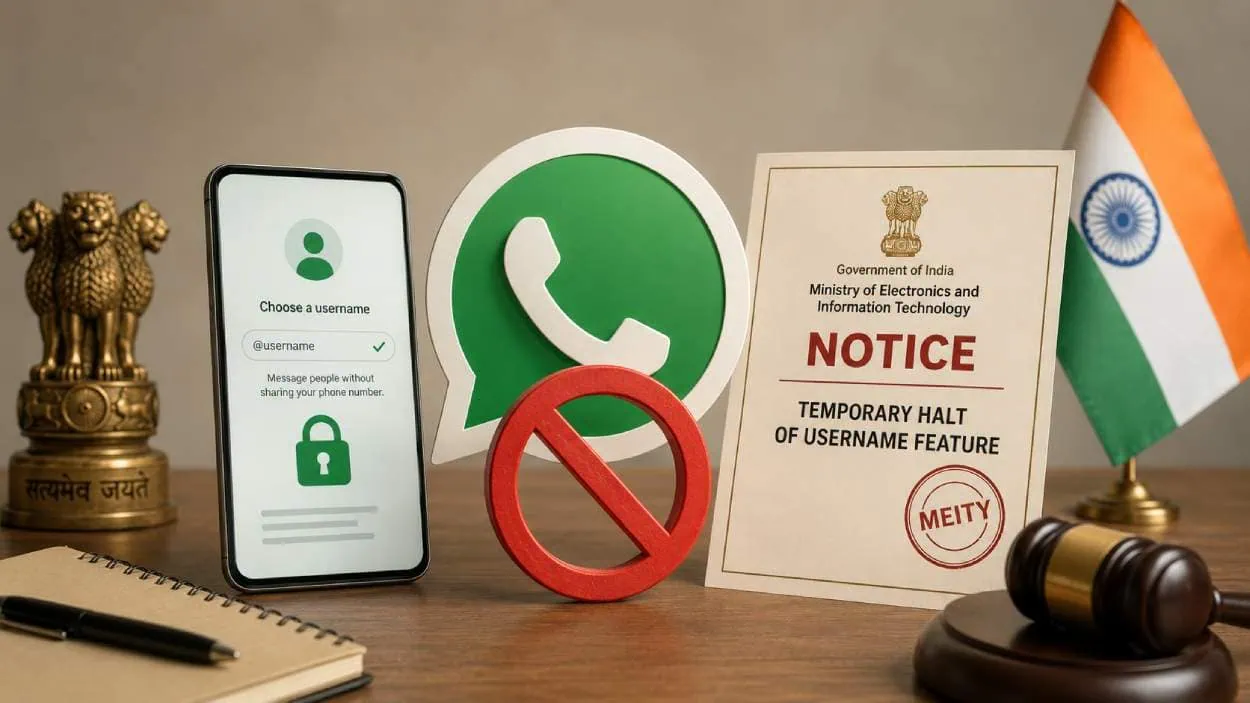
WhatsApp confirmed on February 11 that the Russian government attempted to fully block the service across the country. The move is seen as part of a larger effort by Moscow to isolate citizens from foreign platforms and direct them toward the Kremlin-supported MAX super app, a messaging platform modeled after China’s WeChat.
Russian authorities removed WhatsApp’s domains from the national DNS system, rendering the platform inaccessible without VPNs or advanced workarounds.
Today the Russian government attempted to fully block WhatsApp in an effort to drive people to a state-owned surveillance app. Trying to isolate over 100 million users from private and secure communication is a backwards step and can only lead to less safety for people in Russia.…
— WhatsApp (@WhatsApp) February 12, 2026
Russia Tightens Its Grip on Messaging Apps
The crackdown on WhatsApp is only the latest step in Russia’s tightening control over its digital space. For months, the government has been gradually limiting access to several international messaging platforms. Here’s how the situation unfolded:
- WhatsApp was removed from Russia’s National Domain Name System, effectively blocking web access within the country.
- Telegram has also faced renewed throttling, with users in major cities reporting significant performance drops.
- FaceTime and Snapchat were blocked in December 2025.
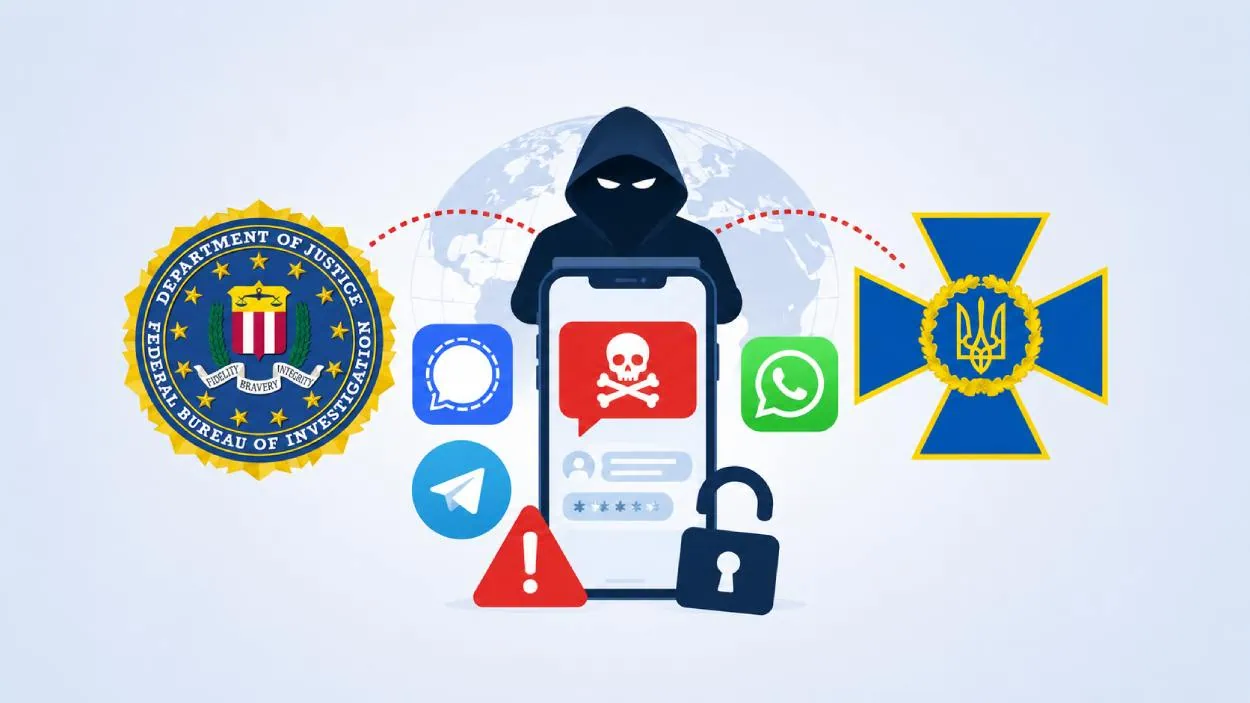
- The state cites concerns over fraud and terrorism, accusing these platforms of not cooperating with local law enforcement.
WhatsApp, which is owned by Meta (a company banned in Russia and labeled as “extremist”), said on X:
The company also said it will continue supporting Russian users through circumvention tools like VPNs, DNS over HTTPS, and privacy-first browsers.
MAX App: Russia’s Digital Replacement for WhatsApp
At the center of this shift is MAX, a state-backed messaging app developed by VK (VKontakte), which was co-founded by Telegram creator Pavel Durov before he exited Russia in 2014. Now state-owned, VK is working closely with the Kremlin to promote MAX as Russia’s default communications platform.
MAX is not just a messaging app. It functions as a “super app” that includes:
- Government services and document storage.
- Banking tools and payment systems.
- Audio and video calling.
- Messaging and file sharing.
Smartphone manufacturers in Russia are now required to pre-install MAX on all devices sold in the country.
Critics argue that MAX is simply a surveillance tool in disguise. According to digital rights researcher John Scott-Railton of Citizen Lab, “Russia’s digital iron curtain is slamming shut.” He warned that this could centralize an unprecedented volume of personal data under government control.

Kremlin’s Position and Telegram’s Response
When asked whether WhatsApp might return, Kremlin spokesperson Dmitry Peskov said it depends on whether Meta complies with Russian legislation. “If the corporation sticks to an uncompromising position… then there is no chance,” he told TASS.
Telegram founder Pavel Durov also responded, calling the restrictions an “authoritarian move” and saying that Telegram will remain committed to freedom and privacy, no matter the pressure.
Meanwhile, Telegram is facing legal challenges of its own, including a fine of 64 million rubles for failing to remove content deemed criminal by Russian authorities.
SQ Magazine’s Takeaway
Let’s be real. This is about control, not just “protecting users.” When over 100 million people lose access to a secure messaging app overnight, it’s a major red flag. Russia is not just blocking apps, it’s redrawing the digital boundaries of its internet. This crackdown shows how governments can weaponize the web for surveillance and censorship. MAX may offer convenience, but at what cost? Privacy, independence, and access to outside voices are at stake here.