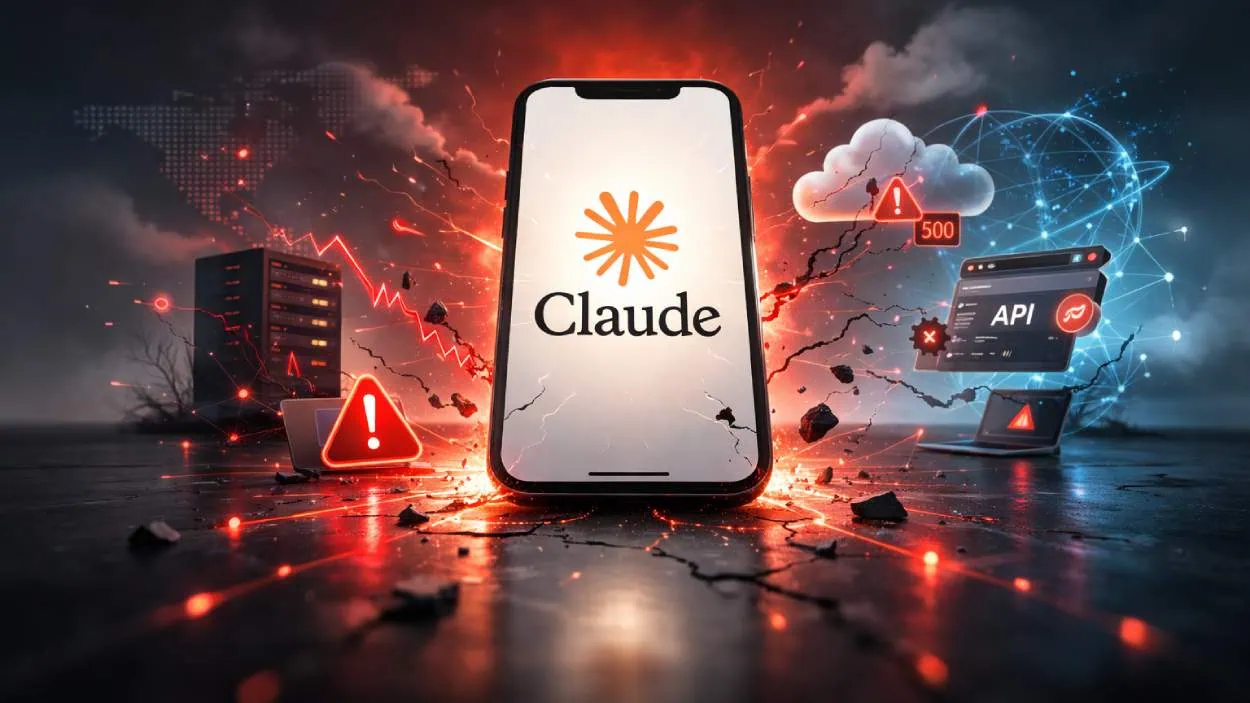






Anthropic has filed lawsuits against the US government after the Pentagon labeled the AI company a supply chain risk and restricted the use of its technology.
Quick Summary – TLDR:
- Anthropic filed two lawsuits challenging the Pentagon decision to blacklist its AI technology.
- The dispute centers on restrictions the company placed on military use of its AI models.
- The Pentagon argues it needs full flexibility to use AI for any lawful purpose.
- The legal fight could shape how AI companies work with governments and militaries.
What Happened?
Artificial intelligence company Anthropic has taken the US government to court after the Pentagon placed the firm on a supply chain risk list that restricts the use of its AI technology in government related projects.
The company argues that the designation is unlawful and violates its constitutional rights, including protections related to free speech and due process.
Anthropic has sued the U.S. government after DoD labeled them a “national security risk”. pic.twitter.com/lE5WGnDU3c
— The Moon Show (@TheMoonShow) March 9, 2026
Pentagon Blacklist Triggers Legal Battle
The conflict escalated after the US Department of Defense officially labeled Anthropic a supply chain risk, a designation that typically targets foreign adversaries rather than American companies.
Under the decision, defense contractors and vendors must certify that they are not using Anthropic AI models in work connected to the Pentagon. The ruling threatens existing contracts and could limit the company ability to do business with government partners.
Anthropic filed two lawsuits, one in the US District Court for the Northern District of California and another in the US Court of Appeals in Washington DC. The company is asking courts to overturn the designation and stop federal agencies from enforcing it.
In its filing, the company said the move could cause serious damage to its business.
“Anthropic’s contracts with the federal government are already being canceled. Current and future contracts with private parties are also in doubt, jeopardizing hundreds of millions of dollars in the near term,” the complaint states.
Dispute Over Military Use of AI
At the center of the dispute are rules Anthropic placed on how its AI models can be used by the military.
The company built safeguards into its system, called Claude, to prevent it from being used for fully autonomous weapons or mass domestic surveillance.
Defense officials argued those restrictions could limit military operations and potentially endanger lives. The Pentagon insisted it must retain the ability to use artificial intelligence for any lawful purpose related to national defense.
Negotiations between the two sides had been ongoing for months but eventually broke down.
Despite the conflict, Anthropic says it supports national security applications of AI and has previously worked closely with the government. Over the past year, its technology has been integrated into several Department of Defense systems, including classified networks.
Reports indicate the system has also been used to support military operations related to the war in Iran, including assisting with targeting decisions.

Political Pressure And Expanding Dispute
The situation intensified when President Donald Trump posted on social media urging federal agencies to stop using Anthropic technology.
Trump wrote:
Anthropic says the government action is punishing the company for refusing to change its policies regarding how its technology can be used.
Anthropic said in its lawsuit:
More than a dozen federal agencies have been named as defendants in the case, including the Department of Defense, Department of State, Department of the Treasury, and the General Services Administration.
Stakes For The AI Industry
The legal fight arrives at a time when artificial intelligence companies are rapidly expanding their relationships with governments and militaries.
Anthropic previously signed a 200 million dollar agreement with the Defense Department to deploy its AI systems within government infrastructure.
The outcome of the case could set a major precedent for how private technology companies negotiate the limits of military use of advanced AI systems.
If the Pentagon designation stands, it could influence how other AI firms set guardrails on their technologies when working with national security agencies.
SQ Magazine Takeaway
I think this dispute highlights one of the biggest questions in the AI era. Who decides how powerful AI systems are used in war and surveillance?
Anthropic wants limits because current AI models are still unreliable for life and death decisions. The Pentagon wants maximum flexibility for national security. This legal clash will likely shape how governments and AI companies cooperate for years to come, and the result could set the rules for military AI worldwide.