






A recent hacker claim about a data breach at NordVPN has stirred concerns online, but the VPN company says no real customer or internal data was ever compromised.
Quick Summary – TLDR:
- A hacker claimed to have accessed NordVPN’s development server, leaking over 10 database files.
- NordVPN says the data came from a third-party test environment used during a vendor trial six months ago.
- The company insists no customer data, source code, or sensitive credentials were involved.
- The incident has no impact on user security, according to NordVPN’s internal investigation.
What Happened?
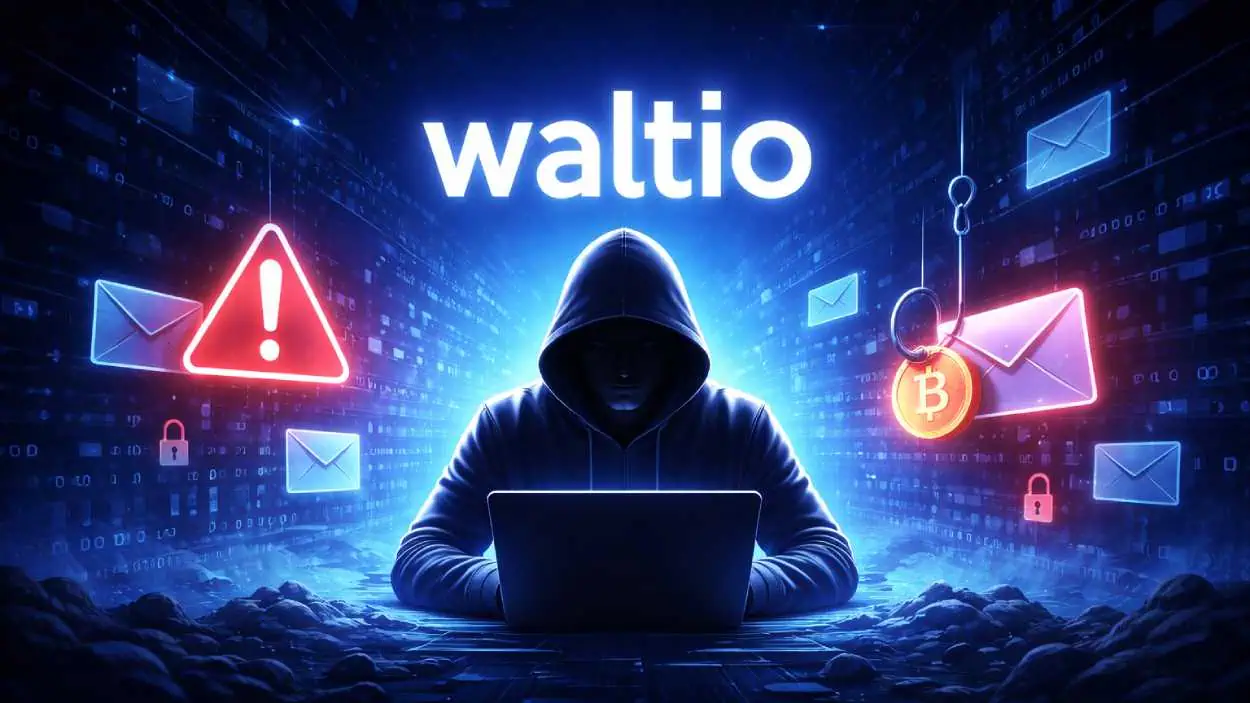
A threat actor going by the alias “1011” posted on a dark web forum that they had breached NordVPN’s development server, accessing sensitive data including Salesforce API keys and Jira tokens. But NordVPN quickly denied these claims, attributing the leak to a test account on a third-party automated testing platform that was never linked to its live infrastructure.
A threat actor known as “1011” claimed on a dark web forum to have accessed a misconfigured NordVPN development server via brute force, leaking Salesforce API keys, Jira tokens, database schemas, and source code for over 10 databases.
— Pirat_Nation 🔴 (@Pirat_Nation) January 5, 2026
Shared samples reveal table structures… pic.twitter.com/vhu4zvdVxE
NordVPN Calls Breach Claims Misleading
The incident began gaining attention on January 4 after the hacker shared files on the BreachForums cybercrime marketplace. According to the attacker, access was gained through a brute-force attack on a misconfigured server, allegedly exposing multiple database source codes, configuration files, and authentication tokens.
But in its official response on January 5, NordVPN said their ongoing forensic analysis showed no signs of a data breach in their internal or production systems. Instead, the company traced the leaked information back to a temporary environment created for testing purposes during a short trial of a third-party vendor six months ago.
NordVPN stated:
Key points from NordVPN’s investigation:
- The test environment was never connected to its production systems.
- No real customer data, production source code, or active credentials were uploaded.
- The company eventually chose a different vendor and did not proceed with the tested one.
- The leaked data was confirmed to be dummy content, with no link to operational platforms.
NordVPN reassured its users, saying, “Your data is safe, and no action is required on your part.”
Background: Lessons From the Past
While this leak appears to be a false alarm, it naturally reminded some users of a real security incident in 2019 when NordVPN and TorGuard were targeted by hackers. In that breach, attackers gained root access to servers and stole private keys used to secure configurations.
Following the 2019 event, NordVPN significantly upgraded its infrastructure and security practices:
- Launched a bug bounty program to reward ethical hacking.
- Underwent a third-party security audit.
- Migrated to RAM-only servers that wipe all data on reboot.
- Committed to using dedicated servers owned exclusively by NordVPN.
These moves were designed to minimize any future risks and bolster user trust.

SQ Magazine Takeaway
I think NordVPN did the right thing by being transparent and quick to respond. From everything they’ve shared, it looks like this was a non-issue blown out of proportion. A hacker leaked what seems like meaningless test data from a system that wasn’t even live. That said, this incident is a good reminder of why VPN companies need to keep their guard up at all times. We rely on these services for privacy, so it’s reassuring to see NordVPN maintaining clear boundaries between test and production systems. As long as they keep that firewall strong, users can feel confident.