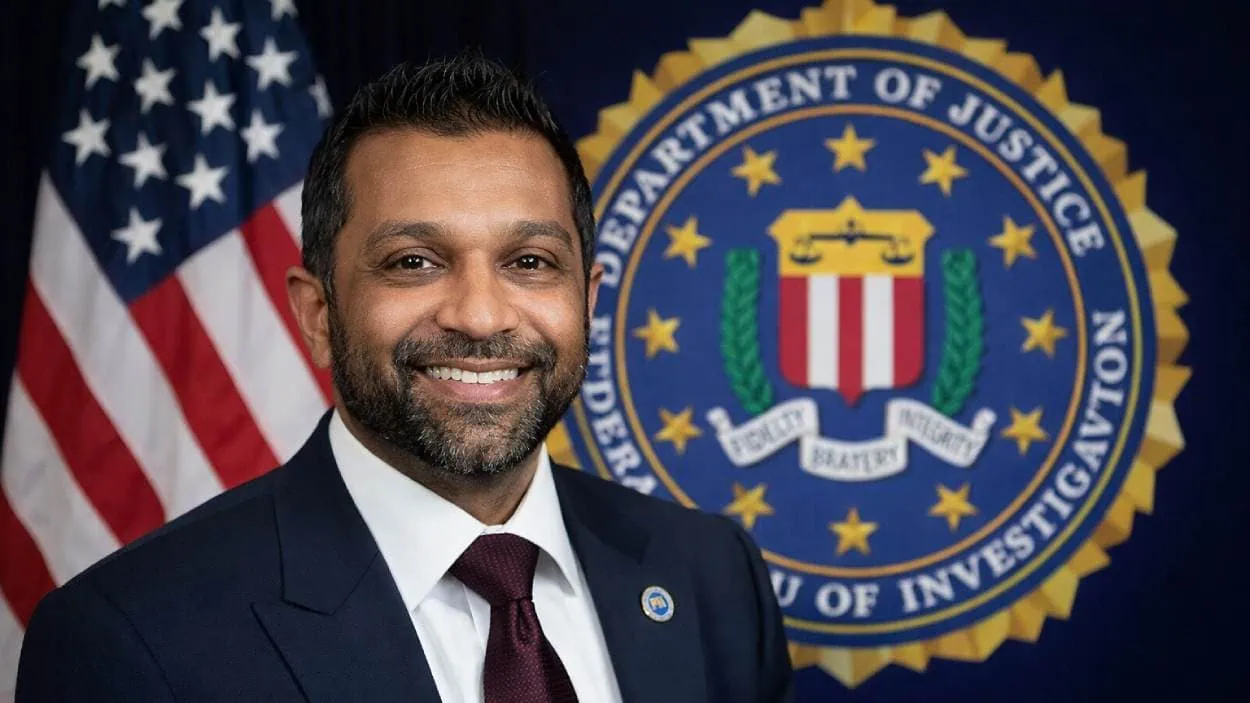







Iran linked hackers have breached FBI Director Kash Patel’s personal email account and released photos and emails online, raising fresh concerns over cybersecurity threats targeting top officials.
Quick Summary – TLDR:
- Iran linked group Handala Hack Team claims responsibility for the breach.
- Over 300 emails and personal photos of Kash Patel leaked online.
- FBI says data is old and does not include government information.
- Attack seen as part of broader cyber strategy amid US Iran tensions.
What Happened?
Iran linked hackers claimed they accessed Kash Patel’s personal Gmail account and shared private images and emails online. The FBI confirmed the breach but stated the exposed data was historical and not related to official government work.
1/3‼️ Handala Hack, the hacktivist group behind the data leak of senior engineers at Lockheed Martin and the 200,000-user Intune wipe of Stryker, has released personal photos and a document of current FBI Director Kash Patel on their public website and public Telegram channel. pic.twitter.com/iG3PhDrYOu
— Dark Web Informer (@DarkWebInformer) March 27, 2026
Hackers Leak Personal Data and Photos
The hacker group Handala Hack Team, believed by Western analysts to be linked to Iranian cyber intelligence, posted personal photographs and documents belonging to Patel on their website. The images reportedly show casual moments including smoking cigars, driving an antique car, and taking selfies.
Alongside the images, the group released a sample of more than 300 emails, which appear to include both personal and professional communication from 2010 to 2019.
While the authenticity of all emails has not been independently verified, the email address linked to the breach reportedly matches one previously associated with Patel in earlier data leaks.
A Justice Department official indicated that the materials appear genuine, adding weight to the claims, although full verification is still pending.
FBI Response and Security Concerns
The FBI acknowledged the cyberattack and said it has taken action. Spokesman Ben Williamson said, “we have taken all necessary steps to mitigate potential risks associated with this activity” and confirmed that the compromised data “involves no government information.”
Officials stressed that the breach targeted a personal email account, not official FBI systems. Still, the incident has raised concerns about the vulnerability of senior officials even outside official communication channels.

Part of a Larger Cyber Campaign
Cybersecurity experts believe this attack is not isolated. The same hacker group has recently claimed responsibility for other incidents, including a cyberattack on US medical company Stryker and data leaks involving employees of defense giant Lockheed Martin.
Experts say such attacks are designed to embarrass US officials and create psychological pressure. One cybersecurity executive described the strategy as an attempt to “make them feel vulnerable.”
The hacking activity comes amid rising tensions involving the United States, Israel, and Iran. Intelligence assessments have warned that Iran and its allies may respond to geopolitical developments with low level but high visibility cyberattacks.
Not the First Time Officials Are Targeted
This is not the first instance where high ranking US officials have been targeted through personal accounts.
- In 2016, emails from political advisor John Podesta were hacked and leaked.
- In 2015, then CIA Director John Brennan had his personal email compromised.
Such incidents highlight a recurring pattern where attackers exploit less secure personal accounts to gain sensitive or embarrassing information.
Previous Targeting of Kash Patel
Reports suggest that Kash Patel was already flagged in a previous Iranian linked cyber campaign in 2024, where his communications were targeted along with other officials connected to the incoming US administration.
This indicates that Patel may have been a repeated target, possibly due to his high profile role in national security.
SQ Magazine Takeaway
I think this incident clearly shows that cyber warfare today is not just about stealing secrets, it is about perception and pressure. Even if no classified data was exposed, the impact is still huge because it targets credibility and public image.
What stands out to me is how personal accounts are becoming the weakest link. You can have the most secure government systems, but one personal inbox can still create a national level headline. That is a serious gap.
This also feels like a message more than just a hack. It signals that top officials are always within reach, and that alone can shift how cybersecurity is viewed at the highest levels.