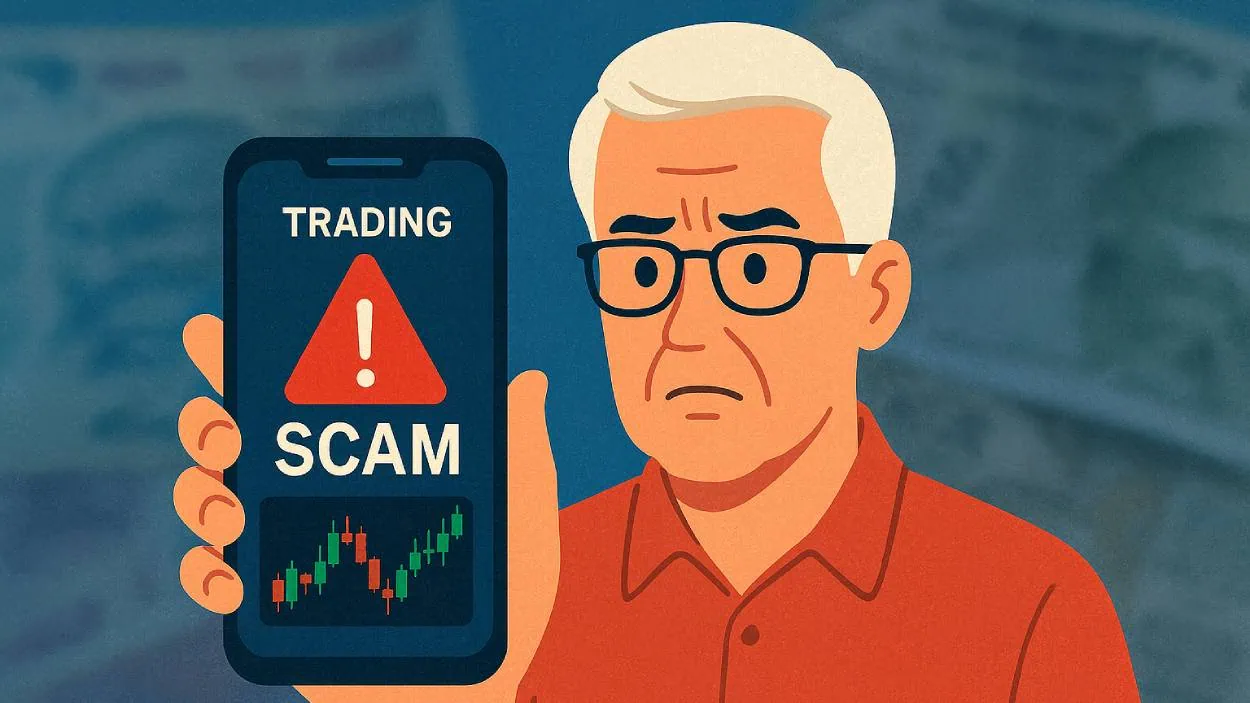







A retired engineer in India lost ₹1.28 crore to scammers running a fake crypto trading app and WhatsApp group, prompting urgent warnings from cybercrime officials.
Quick Summary – TLDR:
- A 65-year-old retiree was duped into investing over ₹1.28 crore via a fake DBS-branded trading app promoted through WhatsApp.
- The fraud involved staged profits, a small initial withdrawal, and false promises of IPO access.
- Scammers demanded a 20% fee before blocking the victim’s account and disappearing.
- Cyberabad police urge the public to verify platforms and avoid groups offering guaranteed returns.
What Happened?
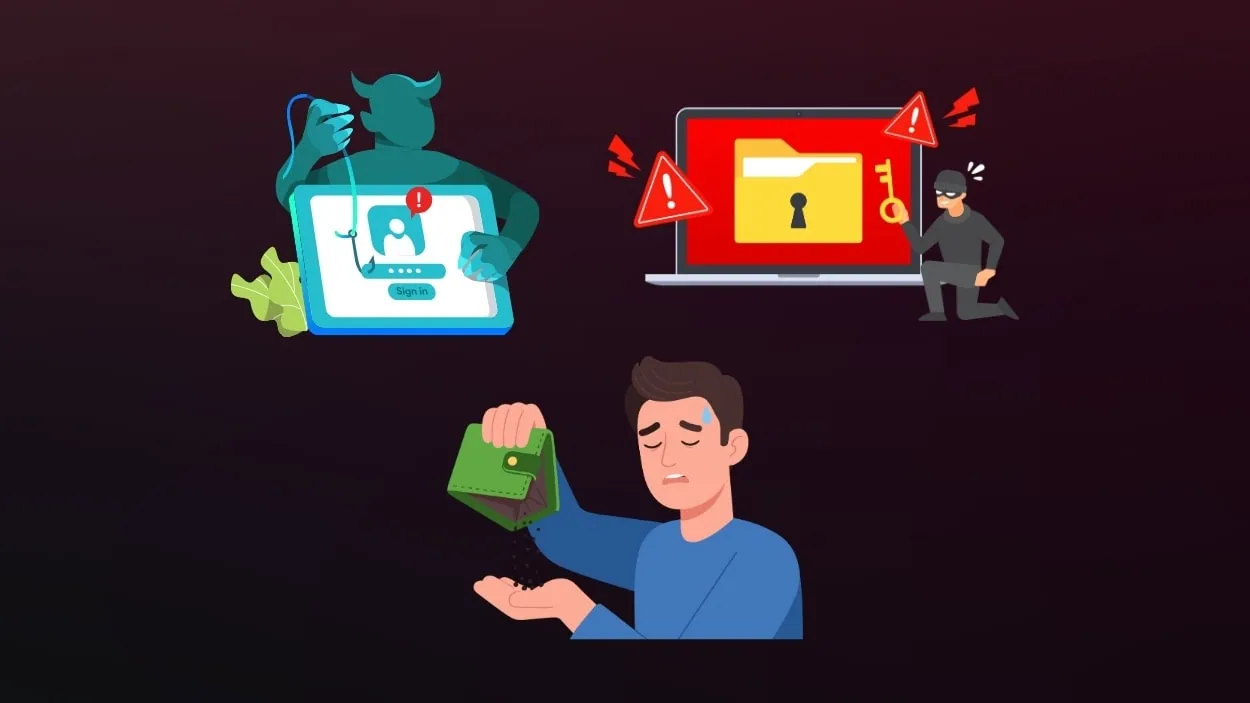
A retired government engineer from Miyapur lost ₹1.28 crore in a crypto scam involving a fake DBS-branded trading app. The fraud was orchestrated through a WhatsApp investment group that lured him with the promise of premium stock tips and exclusive IPO access. After weeks of staged profits and fake trades, the scammers blocked his account, leaving him unable to recover his funds.
⚠️ India cracks down after fake DBS-app crypto fraud
— Crypto Economy News (@CryptoEconomyEN) December 8, 2025
India’s crypto sector faces scrutiny after a fake DBS app scam surfaced, raising alarms about security and regulatory oversight across digital-asset platforms.
📰 Full Article:https://t.co/nb0xc8uZsu
A Sophisticated Trap Built on Trust
The scam started on November 4, when the 65-year-old victim was added to a WhatsApp group named “531 DBS Stock Profit Growth Wealth Group”. The group was run by two individuals who identified themselves as Professor Rajat Verma and an analyst named Meena Bhatt. They claimed to offer access to insider trading strategies and high-profile investment opportunities.
- The group directed the victim to download a mobile app labeled “DBS”, hosted under the domain ggtkss.cc.
- It was pitched as a reliable route to block trades and Initial Public Offering (IPO) allocations, typically inaccessible to retail investors.
Trust was quickly established when the victim deposited ₹1 lakh and successfully withdrew ₹5,000, creating the illusion of legitimacy.
Growing Deposits and Sudden Block
Encouraged by initial “returns”, the victim made multiple transfers totaling ₹1.28 crore between November 4 and December 5. These included investments he believed were for:
- Subscription to Capital Small Finance Bank IPO.
- Participation in a share repurchase program.
Throughout this time, the app displayed a growing account balance, reinforcing the belief that his investments were profitable. However, the illusion collapsed when he tried to withdraw his accumulated funds.
- Scammers demanded a 20% clearance fee before any withdrawal could proceed.
- When he refused to pay, access to his account was permanently blocked.
Realizing the fraud, he filed a complaint with the Cyberabad cybercrime police.

Police Investigation and Warnings
A case has been registered under Sections 318(4), 319(2), 336(3), 338, and 340(2) of the Bharatiya Nyaya Sanhita, along with Section 66-D of the Information Technology Act.
Police have confirmed that this is part of a growing trend in digital investment fraud, which includes:
- Cloned trading apps that mimic legitimate financial institutions.
- Controlled social media groups used to stage credibility.
- Initial low-risk trades and staged withdrawals to build trust.
Officials say these frauds often present fake credentials, guaranteed returns, and high-pressure tactics to push victims into transferring large sums.
A Larger Problem in Digital Markets
As India’s digital investment landscape grows, retail investors face increasing risks from fraudulent schemes that appear professional and convincing on the surface.
Authorities are calling for:
- Independent verification of any trading or investment platform.
- Checking for regulatory approvals.
- Avoiding groups or individuals offering “guaranteed profits”.
- Reporting suspicious apps, links, or WhatsApp groups immediately via cybercrime portals.
SQ Magazine Takeaway
Honestly, this one hits hard. I can see how someone, especially a retired professional looking to grow their savings, might fall into this kind of trap. The scammers weren’t just phishing. They built a whole ecosystem of trust, with fake experts, slick apps, and realistic trading flows. It’s a reminder for all of us: if something sounds too good to be true, it probably is. Before making any investment online, I’d double-check everything – the app, the people, the approvals. No one wants to learn this kind of lesson the hard way.