






ChatGPT powered smart speaker could arrive in early 2027 as OpenAI expands beyond software into AI driven consumer hardware.
Quick Summary – TLDR:
- OpenAI is developing a ChatGPT powered smart speaker with a built in camera.
- The device is expected to launch as early as February 2027.
- Estimated pricing is between $200 and $300.
- The company is also working on AI earphones, smart glasses, and a smart lamp.
What Happened?
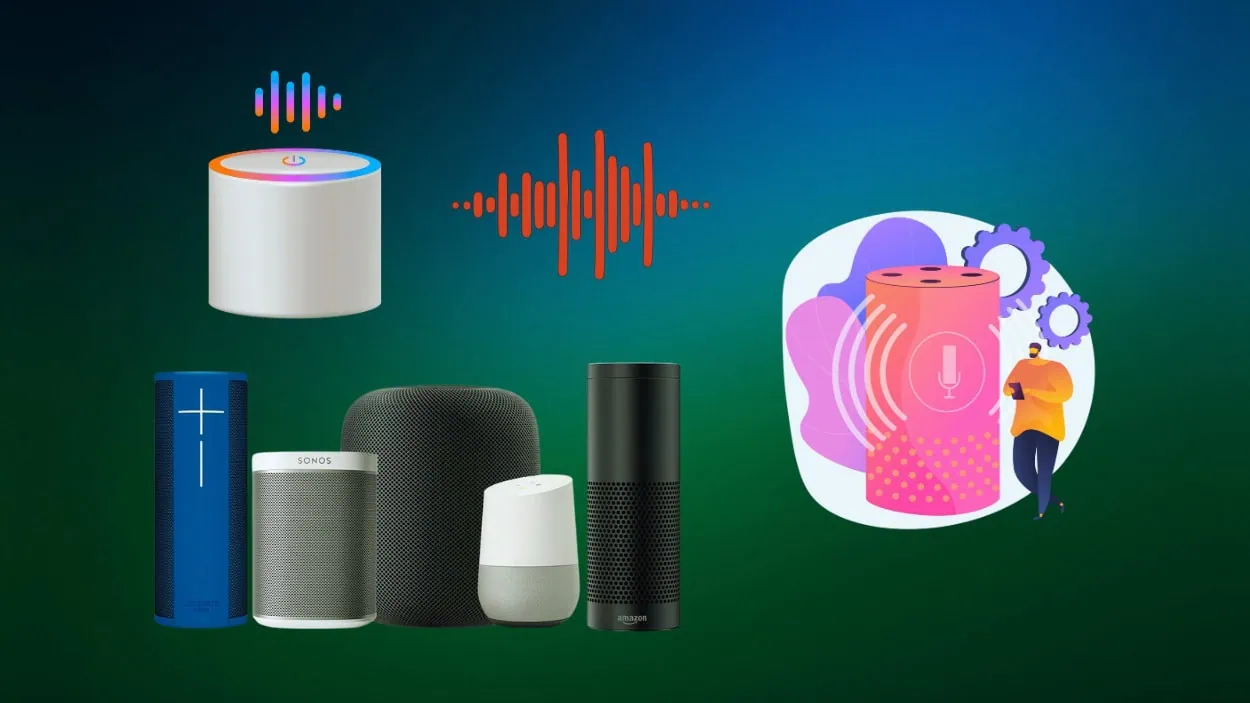
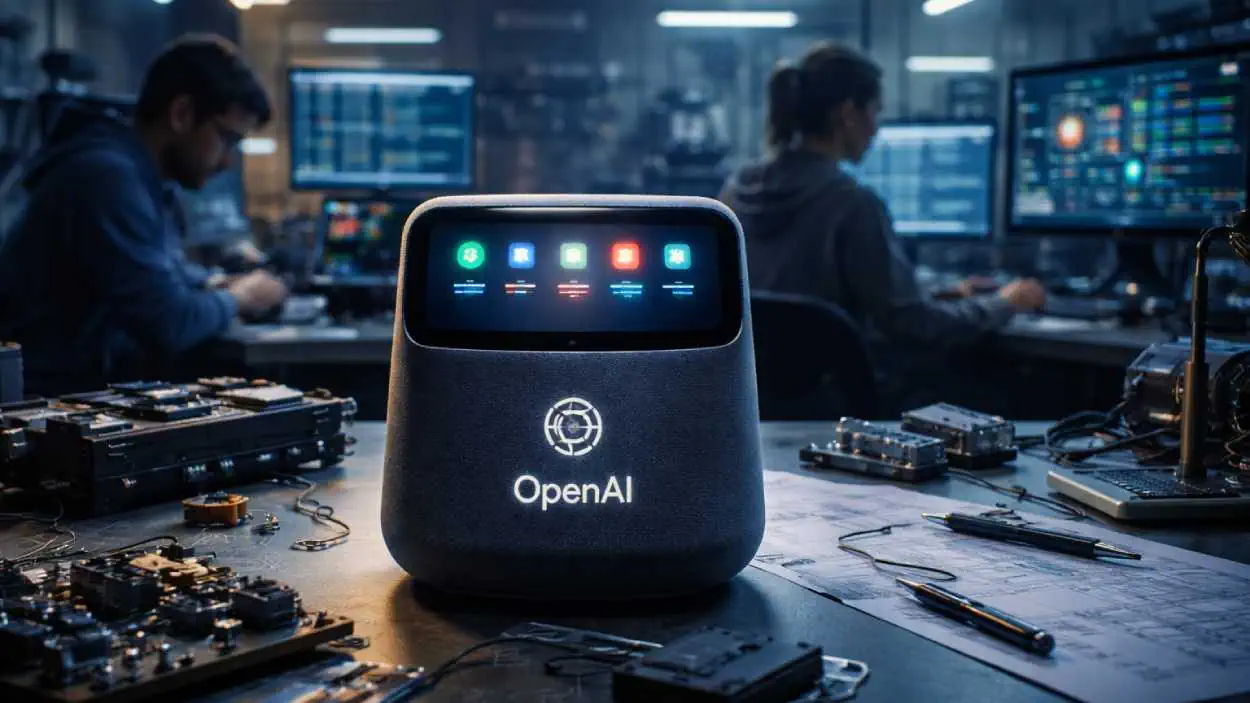
OpenAI is reportedly preparing to enter the consumer hardware market with a ChatGPT powered smart speaker that includes a camera. The device is being developed by a dedicated hardware team of more than 200 employees and could launch in early 2027. Pricing is expected to fall between $200 and $300, placing it in direct competition with existing smart home devices from major tech companies.
OpenAI’s Big Shift Into Hardware
For years, OpenAI has been known as a software first company focused on generative AI models and cloud services. That strategy now appears to be evolving. According to multiple reports, the company has assembled a 200 plus member hardware team to build AI powered physical devices.
The effort is being led in collaboration with Jony Ive, the former Apple design chief who joined OpenAI in 2025 to help create a new class of generative AI devices. The first product to reach consumers is expected to be a smart speaker, marking OpenAI’s most direct move yet into homes.
A Smart Speaker That Sees and Listens
Unlike traditional smart speakers that rely mainly on voice commands, OpenAI’s upcoming device is expected to feature a built in camera designed to observe its surroundings.
Reports suggest the camera could:
- Identify objects placed on a table.
- Detect conversations happening nearby.
- Enable contextual responses based on what it sees.
- Support facial recognition for secure authentication.
The goal appears to be deeper environmental awareness. This would allow the speaker to deliver more personalized and relevant responses compared to current voice assistants.
OpenAI is also said to be upgrading its audio model architecture ahead of the hardware launch. The updated models are expected to produce more natural speech, respond smoothly when interrupted, and possibly support overlapping conversation. That would allow the AI to speak while a user is still talking, creating a more fluid interaction.

Price, Timeline, and Competition
The smart speaker could launch as early as February 2027, although development timelines may shift. The expected price range of $200 to $300 places it within reach of mainstream buyers while signaling a premium feature set.
The market it plans to enter is already competitive. Companies such as Amazon, Google, and Apple dominate the smart speaker category with devices like Echo, Home, and HomePod. Many premium versions already include displays and cameras.
At the same time, OpenAI is reportedly developing other hardware products:
- AI powered earphones, internally referred to as Dime, expected in late 2026.
- Smart glasses, possibly arriving in 2028.
- A smart lamp currently in early prototype stages.
The company’s move comes as competitors also explore AI enabled wearables and camera based devices. Hardware appears to be the next battleground for AI platforms seeking deeper integration into daily life.
Privacy and Platform Questions
A camera inside a home speaker raises obvious privacy concerns. Devices that continuously observe their surroundings may face scrutiny from regulators and privacy advocates. Questions around data storage, cloud processing, and user control are likely to shape the conversation well before launch.
Developers will also be watching closely. If OpenAI builds an ecosystem around its hardware, it could create new opportunities for apps that respond to real world context. But it also introduces platform control issues that the broader tech industry continues to debate.
SQ Magazine Takeaway
I see this as a defining moment for OpenAI. Moving from cloud based AI into physical hardware is bold and risky. A camera powered smart speaker could unlock truly contextual AI experiences, but it also puts trust front and center. If OpenAI gets privacy right, this could reshape how we interact with AI at home. If it missteps, the backlash could be just as powerful. Either way, 2027 is shaping up to be a big year for AI hardware.