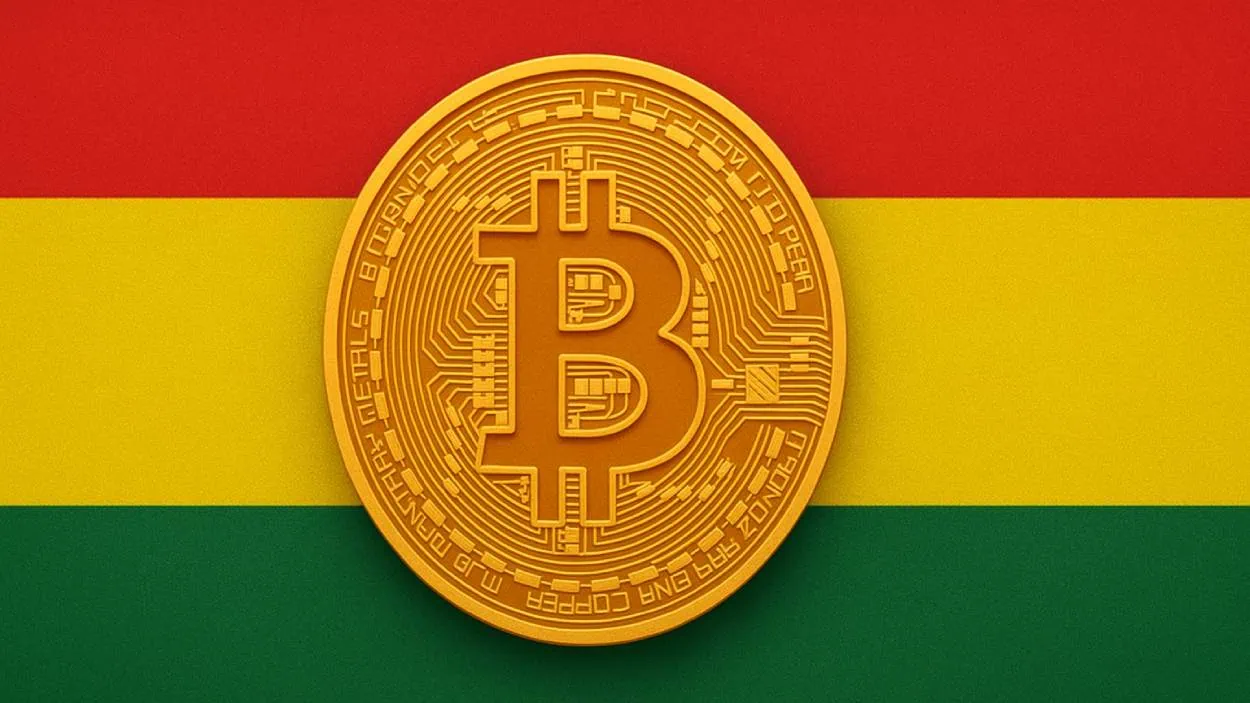







Bolivia is embarking on a major overhaul of its financial system by formally integrating cryptocurrencies, starting with stablecoins, into its banking infrastructure.
Quick Summary – TLDR:
- The government has authorized banks to offer crypto‑based savings accounts, credit cards, and loans using stablecoins.
- Crypto transaction volume soared from US$ 46.5 million in early 2024 to US$ 294 million in the first half of 2025, a 530 percent increase.
- Between July 2024 and June 2025 Bolivia processed nearly US$ 15 billion in crypto and stablecoin transactions, ranking it 46th globally in adoption.
- The policy aims to address inflation, currency devaluation, and low financial inclusion by giving citizens access to stable, dollar‑linked assets.
What Happened?
On November 25, the Economy Minister, Jose Gabriel Espinoza, announced that Bolivia will integrate cryptocurrencies into its formal financial system, starting with stablecoins. Under the new rules, banks will be allowed to offer a range of crypto‑enabled services, including savings accounts, credit cards, and loans. The move reverses the previous policy under which digital assets were effectively banned.
JUST IN: 🇧🇴 Bolivian government to integrate crypto into its financial system. pic.twitter.com/zmLwxFkkiH
— Whale Insider (@WhaleInsider) November 26, 2025
A Shift from Ban to Banking
Just over a year ago the country had prohibited most cryptocurrency use. That stance changed in June 2024 when the government repealed the ban by rescinding Resolution 144/2020 and replacing it with a new framework known as Board Resolution 082/2024. This regulatory shift officially recognized “virtual assets” and opened the door for financial institutions to handle crypto transactions via regulated payment channels.
The timing reflects mounting urgency. Bolivia is grappling with rising inflation, a depreciating national currency (the boliviano), dwindling foreign currency reserves, and periodic fuel shortages. Traditional solutions such as multilateral loans were being considered but were insufficient on their own. The government concluded that embracing stablecoins would provide citizens with access to more stable and reliable financial tools.
Explosive Growth in Crypto Usage
The data underpinning the decision is striking. In the first half of 2024, shortly after the ban lift, crypto transactions totalled US$ 46.5 million. By the first half of 2025 this had jumped to US$ 294 million. That represents a more than 530 percent increase. Analysts estimate that by mid‑2025, regulated stablecoin and crypto transactions had reached nearly US$ 15 billion over the prior twelve‑month period, placing Bolivia 46th globally in total crypto adoption.
Growth was especially strong for stablecoins such as USDT. According to reports from regulated payment channels, May 2025 alone saw around US$ 68 million processed in a single month. Around 86 percent of these transfers were by individuals rather than businesses. Many users appear to be leveraging stablecoins as a hedge against the boliviano’s depreciation and as a convenient means of cross‑border payments.

What Banks and Citizens Can Expect?
Under the new framework, banks will be able to offer:
- Savings accounts denominated or backed by stablecoins.
- Credit card products linked to crypto holdings.
- Crypto‑backed loans, allowing users to borrow against digital assets or use crypto collateral.
These services are being positioned to function similarly to conventional banking products but with the added flexibility and stability offered by stablecoins pegged to a stable asset such as the US dollar. The government frames stablecoins not only as a payment method but also as a tool to expand financial inclusion, especially among populations unbanked or underserved by traditional banking.
Economy Minister Espinoza summed up the new stance bluntly: you cannot control global crypto forces, so embracing them and using them to your advantage is the only realistic path.
Challenges and What Could Come Next?
Despite its promise, the transition carries risks and challenges. For one the government must implement a robust regulatory framework covering licensing, consumer protections, and anti‑money laundering safeguards. Banks and regulators must clarify tax implications, reporting requirements, and how to handle crypto‑asset volatility, even in the case of stablecoins.
Public education will also be critical. Many Bolivians remain unfamiliar with how cryptocurrencies work, and ignorance could lead to misuse or exploitation. Without clear guidelines and user education the adoption may lead to unintended consequences.
For now the focus remains on stablecoins. There is no immediate indication that more volatile cryptocurrencies such as Bitcoin will be granted the same legal standing. Any expansion beyond stablecoins will likely depend on the success of this first phase and the development of safer regulatory safeguards.
SQ Magazine Takeaway
I believe this move by Bolivia represents a bold and pragmatic embrace of financial innovation. By integrating stablecoins into its banking system, Bolivia is recognizing that cryptocurrencies are not just speculative tools but potential lifelines in periods of currency instability and economic crisis. If implemented carefully, this could expand financial access, provide citizens with more stable savings and payment options, and help stabilize a troubled economy.
However this will only succeed if regulators act responsibly, institutions remain transparent, and citizens are educated before diving in. I am cautiously optimistic that Bolivia’s approach could serve as a useful model for other nations in Latin America dealing with inflation and currency depreciation.