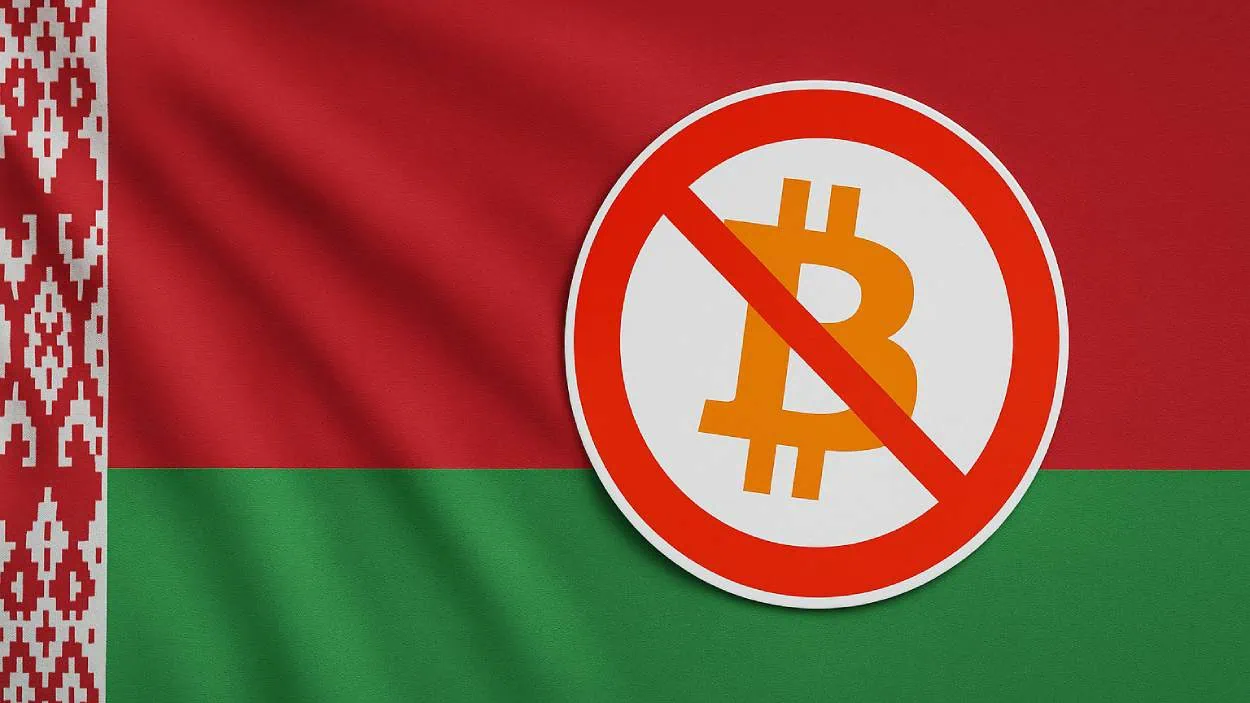







Belarus has blocked access to several leading cryptocurrency exchanges, including Bybit, OKX, and Bitget, in a surprise regulatory move that contradicts the government’s earlier enthusiasm for digital assets.
Quick Summary – TLDR:
- Belarus blocked Bybit, OKX, Bitget, and others on December 10 under the Mass Media Act, citing “inappropriate advertising.”
- The move clashes with President Lukashenko’s pro-crypto stance, including support for crypto mining and a national crypto reserve.
- Users can bypass blocks using VPNs, but doing so may breach platform rules and trigger account suspensions.
- Brokers and payment providers now face greater regulatory and operational risks when dealing with Belarus-based clients.
What Happened?
On December 10, Belarusian authorities quietly blocked access to major crypto exchanges such as Bybit, OKX, and Bitget. The Ministry of Information carried out the order under the Mass Media Act, citing “inappropriate advertising” without providing further detail. BelGIE, the country’s central internet-filtering authority, implemented the restrictions, leaving users in the country unable to access the platforms directly.
According to CNN, Belarus has tightened its crypto rules as President Lukashenko signed a decree banning individuals from buying or selling digital assets through foreign exchanges or brokers. All crypto trading must now occur on domestically regulated platforms. The policy…
— Wu Blockchain (@WuBlockchain) December 11, 2025
Government Censorship Targets Key Platforms
When Belarusian users attempt to access the affected platforms, they receive a standard notice that says: “Access to the information resource is restricted based on the decision of the authorised body of the Republic of Belarus.” According to Onliner and Finance Magnates, the block came without public warning and affected users of Beltelecom, the state-run internet provider.
While no official comment has been made by the Ministry of Information or the exchanges, a search of BelGIE’s restricted registry confirms the websites were blacklisted. Legal experts stress this does not impact the platforms globally but blocks access locally within Belarus.
Interestingly, other exchanges like Binance and KuCoin remain accessible, raising questions about why some platforms were targeted while others were spared.
Conflicting Messages from the Government
This aggressive move contradicts earlier efforts by President Alexander Lukashenko to position Belarus as a crypto-friendly nation. In March 2025, he ordered the development of crypto mining operations and even floated the idea of a national crypto reserve.
The blocking decision was reportedly based on a notification from the Minsk City Executive Committee, and it aligns with Article 51 of Belarus’s Mass Media Law. That article allows website blocks for media violations, lack of proper contact information, or risks to national security.
Analysts suggest the exchanges may have failed to comply with Belarus’s 2024 rule requiring individual crypto transactions to go through High-Tech Park (HTP) residents. None of the blocked platforms are HTP members, making their peer-to-peer services technically illegal.

Impacts on Brokers and Traders
The sudden ban is a wake-up call for forex and CFD brokers, especially those relying on crypto platforms for deposit and withdrawal gateways. Many brokers now face disrupted operations, regulatory risk, and possible sanctions exposure.
Key implications include:
- Forced migration of Belarusian traffic to offshore or poorly regulated platforms.
- Increased fraud, chargeback, and compliance risks.
- More reliance on fiat rails and stricter source-of-funds checks.
- Revised onboarding and risk assessment procedures for Belarusian clients.
Additionally, European firms regulated under MiCA are already banned from offering crypto-wallet services to Belarusian residents, compounding the difficulty for regulated entities to serve the Belarusian market.
Users Turn to VPNs, But Risks Remain
Some users are turning to VPNs to bypass the new blocks. However, platforms like Bybit and OKX often flag login attempts from restricted jurisdictions or masked IPs, which can result in account bans or frozen assets.
As noted by journalist Artem Begovsk from Onliner, “Bypassing the block with VPNs may violate the rules of individual exchanges and lead to account blocking.”
SQ Magazine Takeaway
Honestly, this move feels like a complete U-turn. After months of hearing Belarus tout its crypto ambitions, watching them block top platforms without any public explanation is a red flag. If you’re a trader or a broker dealing with Belarus, you should take this as a loud signal to rethink your exposure. It also shows just how fragile crypto access can be when government priorities shift overnight. I wouldn’t be surprised if more countries follow similar unpredictable patterns. Stay alert.