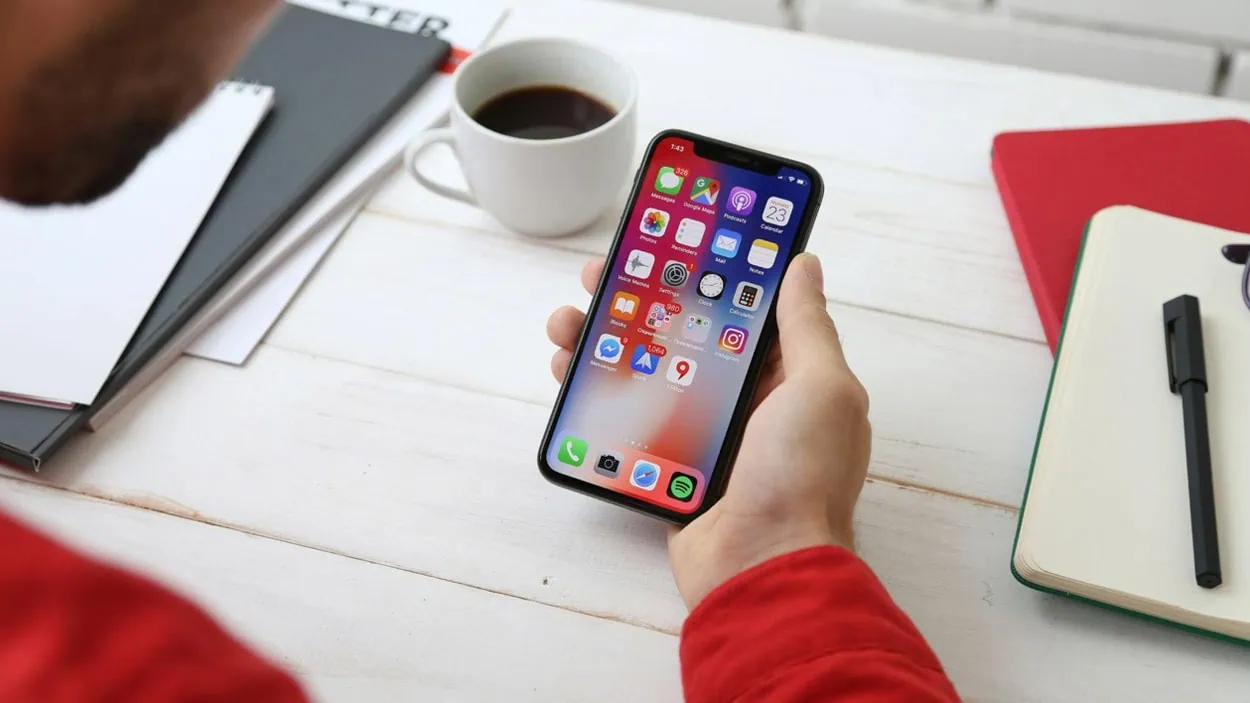







Digital life is becoming more and more rapid every year, and the role of mobile applications in daily life is becoming more widespread. Apps affect how individuals experience the world around them, be it communication and shopping, entertainment or health. They are almost invisible, but they affect choices, habits and communication once a smartphone is picked.
Users are also adopting the concept of always-on with the changes in digital behaviour. Such transformation makes the world a place where human beings demand services that are responsive in real time. Due to this fact, apps have become the most significant interface between people and the digital services that they consume daily. Their speed and convenience allow them to replace older, slower methods of interaction.
The Ecosystem that is Growing behind the Everyday Screens
As smartphones have gained more power, apps have long since forgotten their purpose as a helper and have instead become a whole digital ecosystem. They are used by companies, artists, and societies to communicate and innovate.
In this growing scenario, contemporary mobile development is crucial in developing seamless, dependable online experiences that are effortless to operate. A significant portion of this development is due to the expectations of the user. Mobile applications address these demands by providing helpful and easy-to-use applications that fit into daily life.
Another significant cause of this change is accessibility. The applications allow one to work anywhere and anytime without being connected to the desktop. This is the freedom that gives individuals considerable flexibility in how they conduct their lives, whether by travelling or simply spending time in their homes.
In order to further expand this, industries are always trying to consider new methods of incorporating mobiles into their main services. Many businesses are at the stage of creating their digital strategies based on the idea of mobile-first, i.e. apps can perform well both in networks and devices. This change supports the significance of mobile platforms towards realising long-term success.
Why Apps Dominate Day-to-Day Communication
The applications are meant to be incorporated into daily existence, and their strength is simplicity. Many of the services people rely on maps, chats, news, and streaming, are available instantly. This convenience strengthens the habit of turning to mobile devices for nearly everything.
The influence of apps extends beyond communication. Mobile platforms are used for tracking health, working at home, financial planning, education, and even home security. A significant number of users are now more relaxed about storing data and doing significant things using their smartphones.
Key reasons apps sit at the centre of digital life:
- They streamline everyday tasks
- They offer personalised user experiences
- They connect people instantly
- They combine productivity and entertainment in one place
- They act as a central point for digital identity and data
Research websites like MIT Technology Review often showcase how mobile technologies are still shaping the innovation of the world, as industries transform in line with the demands of their users.
The Convenience and Innovation Mash-Up
The apps keep on influencing society as they are built quickly and can meet new needs. Every year, there have been better features such as smart suggestions, voice response, real-time translations, and sophisticated security applications.
Many companies now consider mobile apps essential rather than optional. Streaming services base themselves on applications to ensure the user is hooked. They are employed by retail brands to increase customer loyalty. Creative communities depend on mobile tools to share ideas instantly.
News and technology insights from sources like BBC Technology also show how mobile usage continues to rise, reflecting the shift toward app-centred digital behaviour around the world.
The other explanation for the rising power of mobile apps is the competitive incorporation of smart devices. Since the beginning of intelligent watches and fitness trackers, home assistants, and connected appliances, apps have become the key control system. The interlinked ecosystem lets users control and monitor their web space without putting much effort into it.
This unceasing development prompts companies to re-examine their communication and operations. Availability of apps everywhere makes users more powerful and allows them to do everything in their daily routine quicker and easier, be it paying bills, learning new skills, or finding interests.
Individual narratives, artistic endeavours, and cultural trends disseminate at a quicker rate than ever. Smartphones can be used as a major point of access to digital services in these regions. This pattern enhances the international dependency on mobile applications and will provide an unmatched growth in mobile usage across the world.

Creating the Future of Connection
The future applications can be a combination of physical and digital experiences, provide more personalisation, and make the online space less hazardous.
The developers are still experimenting with fresh ideas, and mobile-first strategies are under investment in businesses to ensure that they are able to follow the rapidly evolving user demands. This means that apps remain topical and are further developing as the hubs of the digital space.
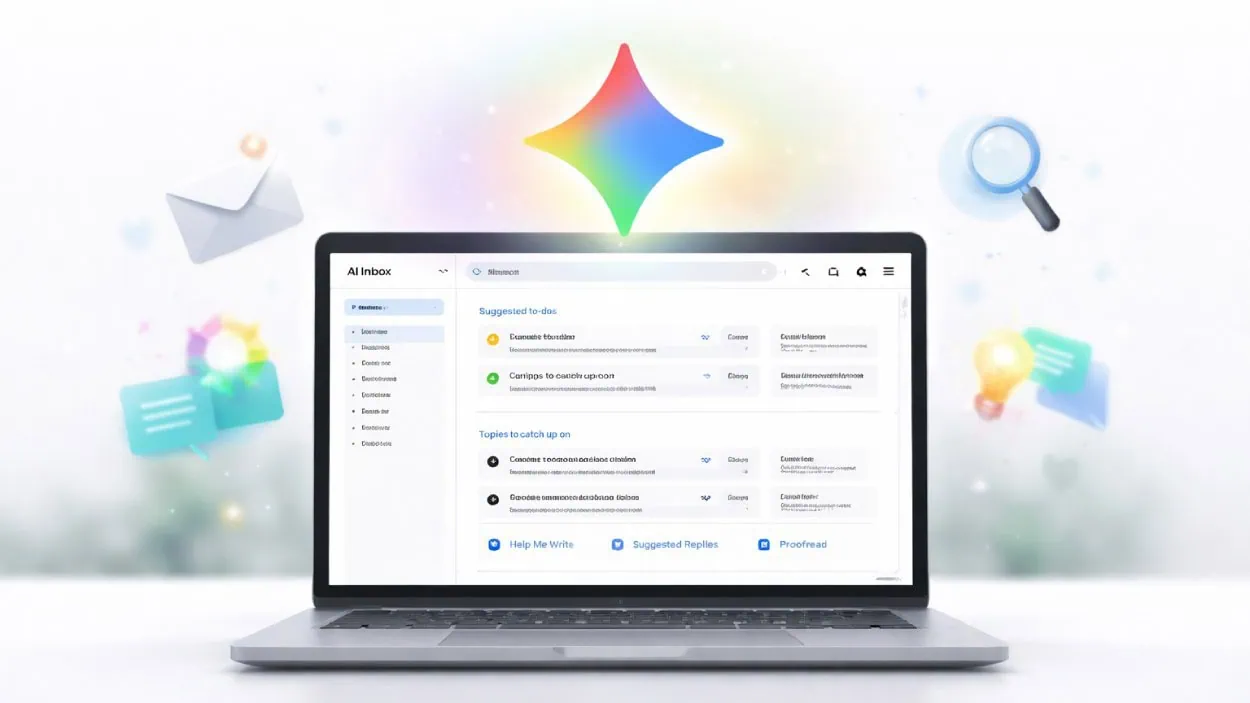
The other significant alteration that will shape the future is the development of AI-based interfaces. With the development of artificial intelligence, apps will estimate users’ needs more efficiently and provide a more intuitive, custom experience.
Conclusion
Mobile applications have become the basis of the new digital life. They direct our everyday activities, unite communities around the world, and culminate in complicated activities. They have cultural, communication, entertainment, and work influence, which assists them in creating a world in which digital access can never be out of reach.
With the ever-changing status of innovation, apps will be central to the digital change and provide the ability to support innovation, improve communication, and provide the resources necessary to navigate the constantly evolving online world.