






SpaceX has officially acquired Elon Musk’s AI startup xAI, creating a tech powerhouse poised to reshape artificial intelligence, space technology and even the future of Earth’s power consumption.
Quick Summary – TLDR:
- SpaceX has acquired xAI, merging Elon Musk’s two major ventures into one tech titan.
- The combined valuation hits $1.25 trillion, pricing shares around $527 each.
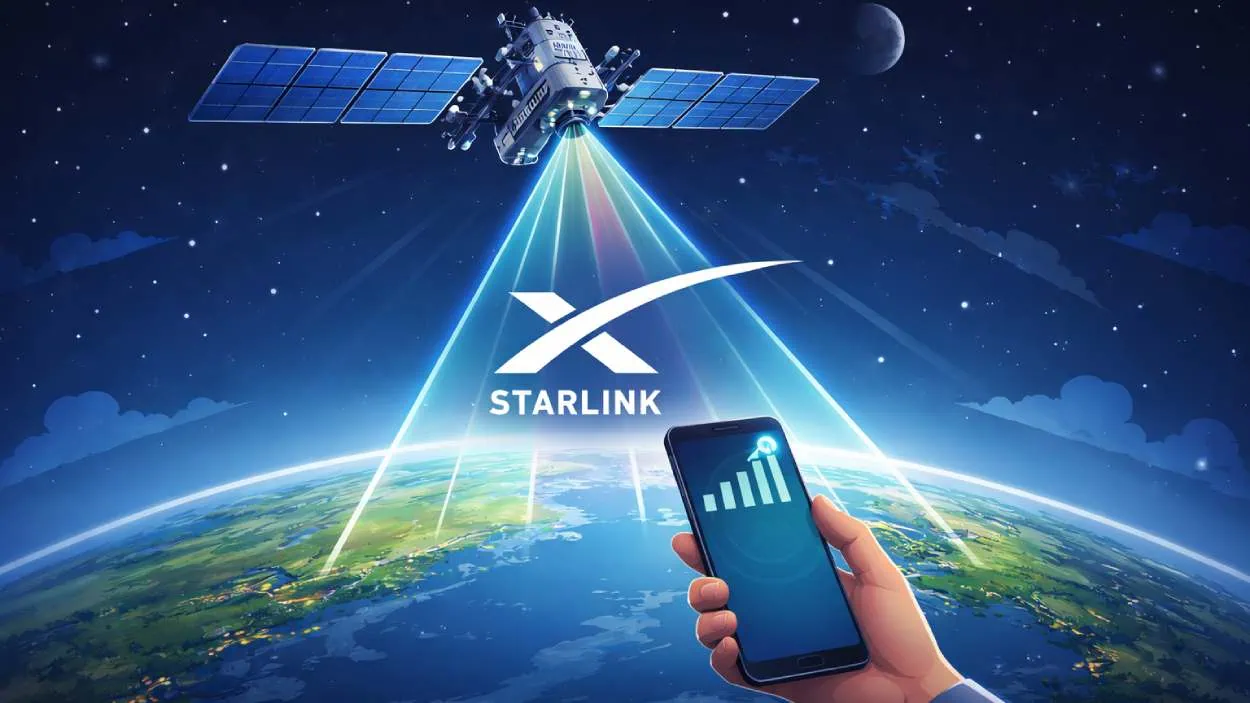
- Musk aims to scale AI infrastructure beyond Earth, using space-based satellite data centers.
- This merger reshapes the path for a SpaceX IPO and may redefine how AI is powered globally.
What Happened?
Elon Musk’s SpaceX has merged with xAI, the artificial intelligence company he founded in 2023. This deal combines rockets, satellites, Grok chatbot, and a vision of space-powered AI into one mega entity. According to reports, the merged company will be valued at $1.25 trillion, with shares expected to trade at around $527 each ahead of a potential IPO later this year.
SpaceX has acquired xAI, forming one of the most ambitious, vertically integrated innovation engines on (and off) Earth → https://t.co/3ODfcYnqfg pic.twitter.com/el40rCUBGe
— SpaceX (@SpaceX) February 2, 2026
A New Kind of Innovation Engine
Musk called the merger “the most ambitious, vertically-integrated innovation engine on (and off) Earth”, blending space exploration, AI, satellite-based internet and real-time information platforms into one enterprise. This bold combination now places Grok, the AI chatbot developed by xAI, under the same roof as Starlink satellites, Falcon rockets, and the wider SpaceX ecosystem.
In an internal memo, Musk emphasized that this is not just the next chapter, but “the next book” in their mission. He added, “scaling to make a sentient sun to understand the Universe and extend the light of consciousness to the stars.”
Why Move AI to Space?
The motivation behind the merger isn’t just about finance or product synergy. It is also about the physical limitations of Earth’s resources when it comes to powering the future of artificial intelligence.
- Terrestrial data centers require enormous energy and cooling capacity.
- Global electricity demand for AI is already outpacing what’s realistically available.
- Building more data centers on Earth risks straining power grids and harming communities.
Musk argues that the logical long-term solution is to relocate AI infrastructure to space. His plan? Use solar-powered satellites to run orbital data centers, reducing environmental impact and unlocking nearly limitless compute power.

The Road to Kardashev II Civilization
In a now-viral quote, Musk joked: “Space is called space for a reason”, underscoring his point that Earth has neither the room nor the power for AI’s future needs.
By launching a constellation of a million satellites that act as AI data centers, Musk envisions a stepping stone toward becoming a Kardashev Type II civilization. This theoretical stage in human development involves harnessing the full power of the Sun, not just for energy, but to push AI and humanity into a multi-planetary era.
What’s Next for SpaceX IPO?
With this merger, the roadmap for SpaceX’s IPO gets a dramatic update. Investors will now be buying into not just a space company but also a frontier AI firm with ambitions to redefine how computing is done.
- Combined valuation: $1.25 trillion
- xAI’s effective valuation: above $200 billion
- SpaceX valuation boost: from $800 billion to much more
- Expected share price: $527
For xAI shareholders, the deal offers a lifeline and visibility through association with a more mature, revenue-generating company like SpaceX.
SQ Magazine Takeaway
I think this merger is vintage Elon Musk: wildly ambitious, totally unexpected, and somehow makes perfect sense. The idea of putting AI into space to solve Earth’s energy crisis sounds like science fiction, but with Musk, it is more like science planning. Combining the star power of SpaceX with the cutting-edge work of xAI gives us a glimpse into a future that doesn’t just think big, it thinks cosmic. Whether it works or not, it pushes every conversation about AI, energy, and innovation into new orbit. I’m here for it.