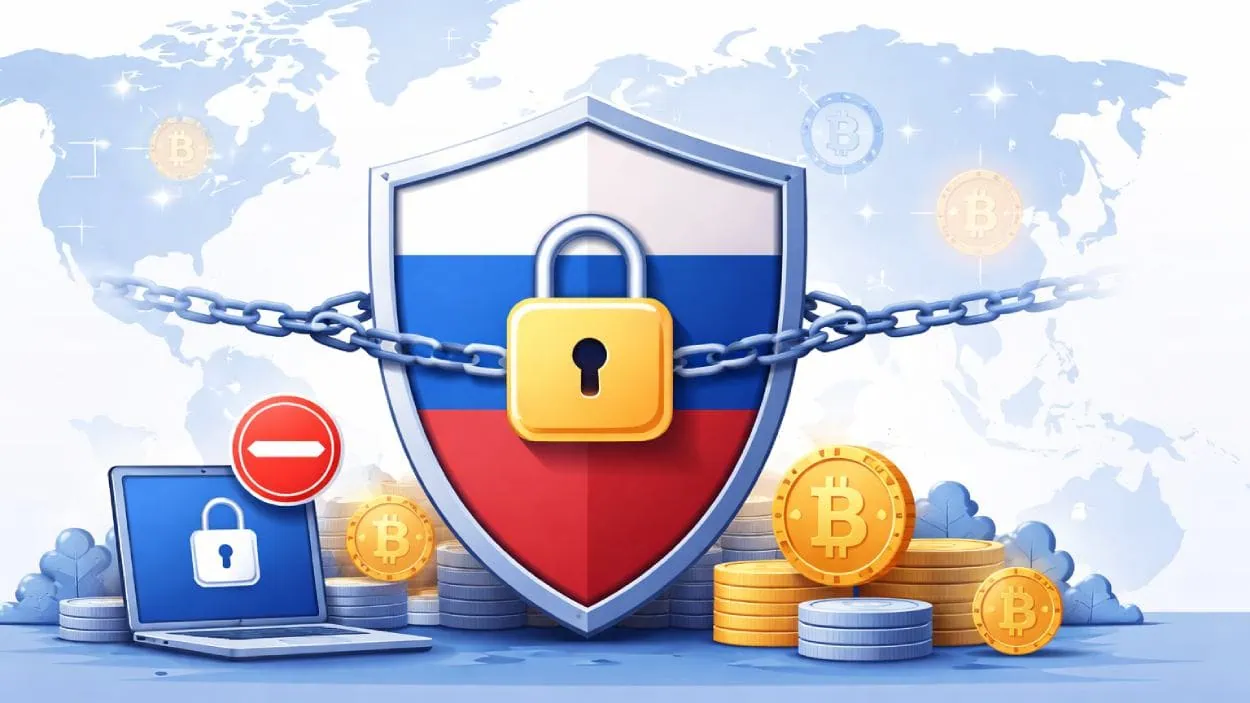







Russia is moving closer to restricting access to major foreign cryptocurrency exchanges as it builds a regulated domestic trading system.
Quick Summary – TLDR:
- Russia is preparing rules that could limit access to foreign crypto exchanges by summer 2026.
- A new legal framework for Russian crypto exchanges is expected by July 1, 2026, which may unlock stricter enforcement.
- Officials estimate 50 billion rubles per day in crypto related transactions, with millions of users involved.
- Moscow Exchange leadership says Russians pay about $15 billion in fees to global exchanges each year, money local platforms want to capture.
What Happened?
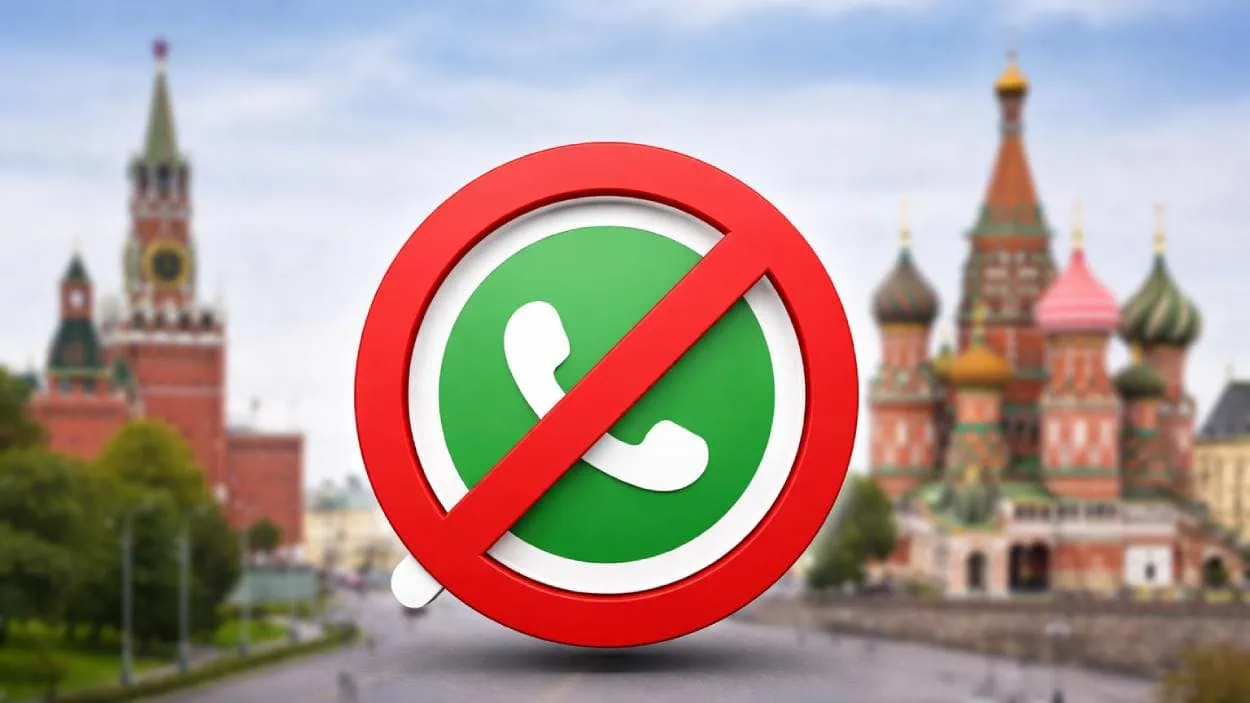
Russia is drafting a new regulatory framework that would push crypto trading onto licensed domestic platforms. Industry experts cited in Russian media reports say access restrictions on offshore exchanges could start as early as summer 2026, likely through technical blocking rather than a clean legal ban.
According to RBC, industry experts believe Russia could block foreign cryptocurrency exchange websites as early as this summer to align with the progress of local crypto regulations. This timing may coincide with the government’s pledge to introduce new crypto market regulatory…
— Wu Blockchain (@WuBlockchain) February 18, 2026
Why Russia Is Tightening the Screws?
Russian officials have increasingly described the crypto market as both large and under supervised. The Finance Ministry estimates crypto related transactions at around 50 billion rubles per day, and officials say millions of Russians trade digital assets.
That scale matters because the government believes much of this activity sits outside any meaningful compliance perimeter. The new push is meant to replace temporary arrangements with a more permanent structure that defines who can operate an exchange in Russia and under what rules.
The July 1, 2026 Deadline That Matters
Multiple reports point to July 1, 2026 as the key milestone. A legislative framework to regulate Russian crypto exchanges is expected to be prepared by that date, which would set clearer standards for licensing and supervision.
Once domestic venues are fully authorized, regulators would have a stronger argument for restricting platforms that do not register locally. In other words, the state is building what some analysts call a compliant white zone, then making the unregulated zone harder to use.

The Money Angle: 15 Billion Dollars in Fees
This is not just about oversight. It is also about revenue.
Sergey Shvetsov, chairman of the supervisory board of the Moscow Exchange, has said Russians pay about $15 billion in fees to global crypto exchanges each year. He also said the Moscow Exchange would compete for that revenue “as soon as it becomes possible.”
That statement is a pretty clear signal of intent. If domestic platforms can offer a legal path to trade, policymakers have more incentive to cut down the flow of fees leaving the country.
How Blocking Could Work in Practice?
Experts do not expect a perfectly enforceable ban. The more likely approach is access friction at the infrastructure layer.
One method discussed in reports is DNS level disruption, the familiar “site won’t load” experience seen in other high profile restrictions. Russia has used tools such as DNS manipulation and deep packet inspection to limit access to selected services. These tactics can degrade traffic and make platforms unreliable, even if users can sometimes work around them.
Nikita Zuborev, a senior analyst at BestChange.ru, is quoted as saying the regulator could begin mass blocking of sites tied to crypto exchanges not registered in Russia as early as this summer. He compared the approach to the YouTube blocking playbook, including removing DNS records within Russia’s internet segment and continuing enforcement against circumvention tools.
Risks: Higher Fees, More Fraud, More Grey Market
There is also a downside. Analysts warn that aggressive blocking could push traders toward unregulated intermediaries, raising the risk of fraud and making pricing worse if liquidity fragments. If regulated domestic exchanges cannot match the depth and speed of global venues, users may try to route around restrictions or move to smaller services that carry higher risk.
Legal and market experts also argue Russia has limited leverage over foreign exchanges that do not operate locally. That is why many observers see website blocking and access disruption as the main enforcement tool, not direct cooperation from offshore platforms.
SQ Magazine Takeaway
I think this is Russia trying to do two things at once: control the pipes and keep the money at home. If the government can create a domestic route that feels usable, then turning foreign platforms into a frustrating experience becomes a powerful nudge. But if local options are slow, illiquid, or expensive, people will simply adapt, and the grey market will get bigger and uglier. The real test is whether Russia can build a system users actually want, not just one they are forced into.