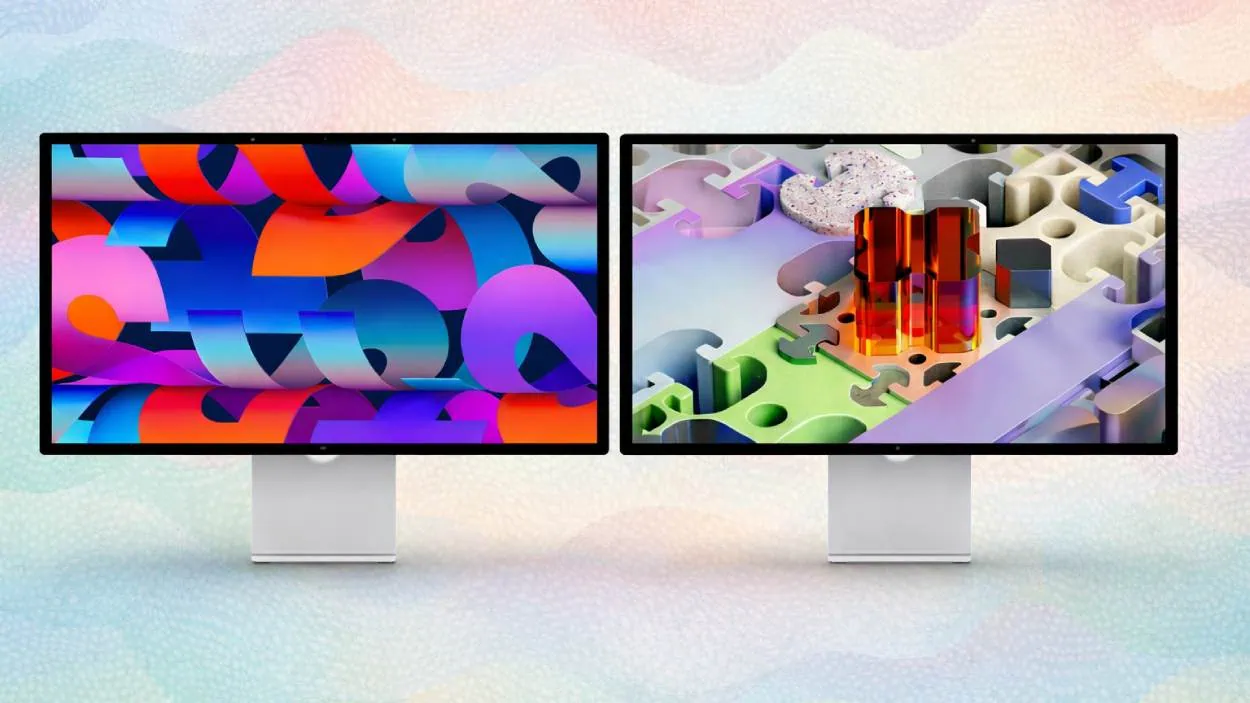







Apple has officially discontinued its high end Pro Display XDR and introduced a new Studio Display XDR at a significantly lower price.
Quick Summary – TLDR:
- Pro Display XDR discontinued after seven years without an update.
- Studio Display XDR launches at $3,299, far below the original $5,999 price.
- New model adds 120Hz refresh rate, mini LED, speakers, and camera.
- Trade offs include a smaller 27 inch 5K panel instead of 32 inch 6K.
What Happened?
Apple has quietly retired the Pro Display XDR, the premium external monitor it first unveiled in 2019 alongside the Mac Pro. In its place, the company has launched the Studio Display XDR, a new standalone monitor that brings modern upgrades at a much lower starting price.
The move marks the end of a product that defined Apple’s professional display strategy for nearly seven years.
Apple is updating the standard Studio Display with several improvements:
— AppleDrop (@TheAppleDrop) March 3, 2026
– Two Thunderbolt 5 ports (up to 120 Gb/s), one of which offers 96 W of charging power
– 12 MP camera compatible with Center Stage and Desk View support
– Improved audio system with deeper bass
The classic… pic.twitter.com/JCXWLrQooi
A Seven Year Run Comes to an End
When the Pro Display XDR debuted in 2019, it was positioned as a serious tool for professionals. It was the first Apple branded monitor in three years and remained the only one until the Studio Display launched in 2022.
At launch, the Pro Display XDR carried a $5,999 starting price, with the adjustable Pro Stand sold separately for $1,000. Choosing the nano texture glass option pushed the total even higher. For many Mac users, it was simply out of reach.
Still, for creative professionals who needed it, the display delivered. It featured a 32 inch 6K panel, exceptional brightness, and became the first Apple product to introduce nano texture glass to reduce glare. That same nano texture option later expanded to the MacBook Pro and iPad Pro.
The Pro Display XDR also stood as the sole survivor of Apple’s earlier pro hardware refresh that included the iMac Pro and the Intel Mac Pro. While those products faded or were replaced, the Pro Display XDR remained unchanged for seven years.
Enter the Studio Display XDR
Now Apple has introduced the Studio Display XDR, which effectively replaces the outgoing model.
The new display brings several meaningful upgrades:
- Mini LED panel with more backlighting zones.
- 120Hz Adaptive Sync refresh rate, up from 60Hz.
- Built in speakers and camera.
- Nano texture option available for an additional $300.
The Studio Display XDR starts at $3,299, and that price includes a tilt and height adjustable stand. That is a major shift from the previous model where the stand was a separate $1,000 purchase.
However, the new display is not a direct upgrade in every way. Apple has reduced the size from 32 inches to 27 inches and lowered the resolution from 6K to 5K. For some professionals, that difference could matter.
There is also a refreshed version of the base Studio Display launching alongside the new XDR model, though it appears to be a more modest update.

Gains and Trade Offs
The transition reflects a shift in Apple’s display priorities. The company is clearly leaning into features that improve day to day usability such as higher refresh rates, built in audio, and integrated cameras.
But the reduction in screen size and resolution may push some power users toward the used market to grab the original 6K 32 inch panel.
When the Pro Display XDR launched, Apple emphasized its commitment to professionals. John Ternus, Apple’s senior vice president of Hardware Engineering, said at the time:
The new Studio Display XDR signals that Apple still cares about pro workflows, but it may be redefining what that means.
Meanwhile, the Mac Pro remains available with the M2 Ultra chip starting at $6999, a chip that first launched in 2023.
SQ Magazine Takeaway
Personally, I think this move makes sense. The Pro Display XDR was impressive, but it was also too expensive for most people. The new Studio Display XDR feels more balanced. It adds modern features like 120Hz and built in hardware while cutting the price almost in half.
That said, I will miss the bold ambition of a 32 inch 6K panel. Apple seems more cautious now. Whether that is smart strategy or a sign of shifting priorities depends on who you ask.
For most users, though, this is a practical upgrade that finally makes Apple’s best display tech more accessible.